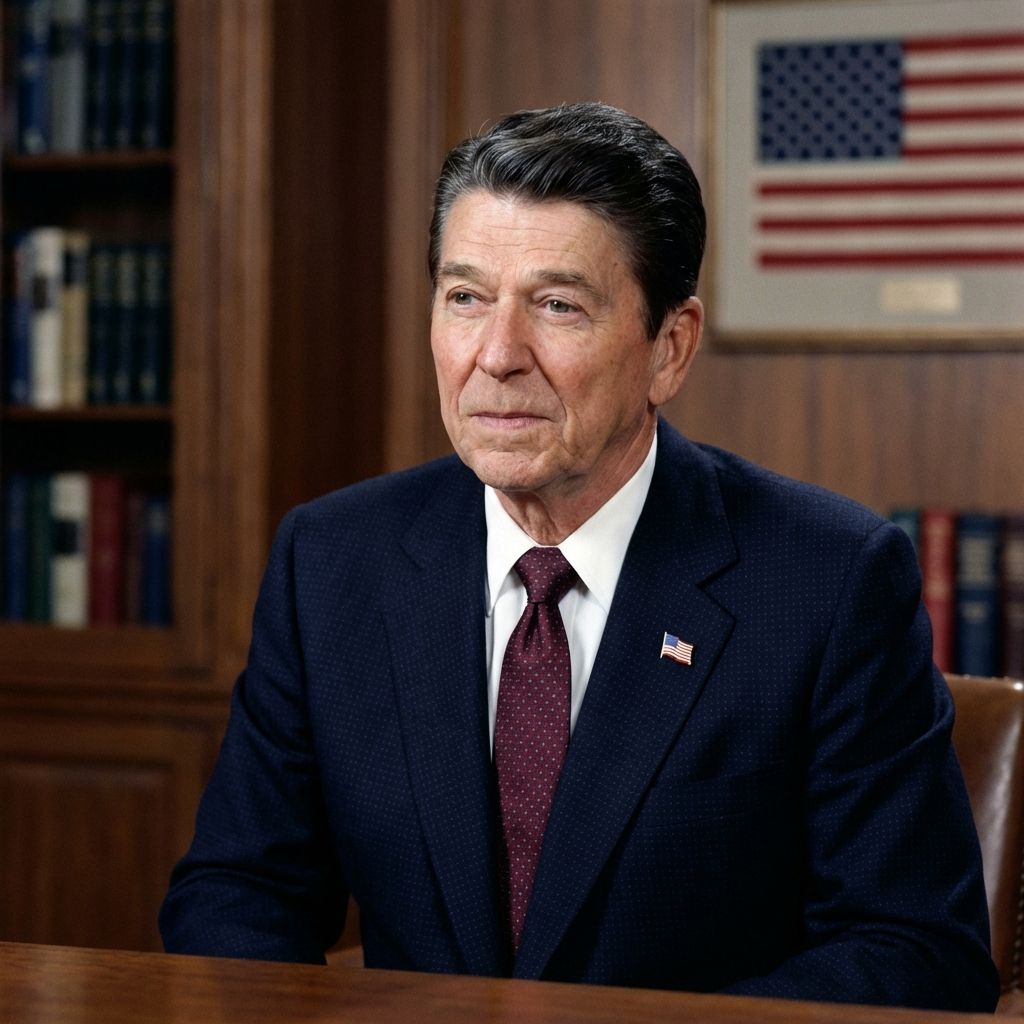
If there’s a one percent chance that Pakistani scientists are helping al-Qaeda build or develop a nuclear weapon, we have to treat it as a certainty in terms of our response.
About This Quote

This remark is associated with what became known as the “one percent doctrine,” attributed to Vice President Dick Cheney in the early post‑9/11 years as the Bush administration weighed how to respond to low-probability but catastrophic terrorism scenarios. The specific formulation about “Pakistani scientists” and al‑Qaeda reflects U.S. anxieties after revelations about Pakistan’s nuclear proliferation network (A.Q. Khan) and fears that nuclear expertise or materials could leak to jihadist groups. The idea circulated in reporting and memoir-style accounts describing internal national security deliberations, where Cheney argued that even a small chance of a nuclear-terror link should drive urgent, worst‑case planning and action.
Interpretation
Cheney frames low-probability, high-impact threats as effectively certain for purposes of action. The statement collapses the usual distinction between possibility and probability: when the potential harm is catastrophic (a nuclear weapon in terrorist hands), even minimal odds justify decisive measures. Supporters read this as prudent risk management under radical uncertainty; critics see it as a rationale for preemptive policies that can bypass evidentiary standards, inflate worst-case scenarios, and encourage overreaction. The quote encapsulates a broader shift in early-21st-century U.S. security thinking toward prevention and preemption, prioritizing the avoidance of rare disasters over the costs of false positives.