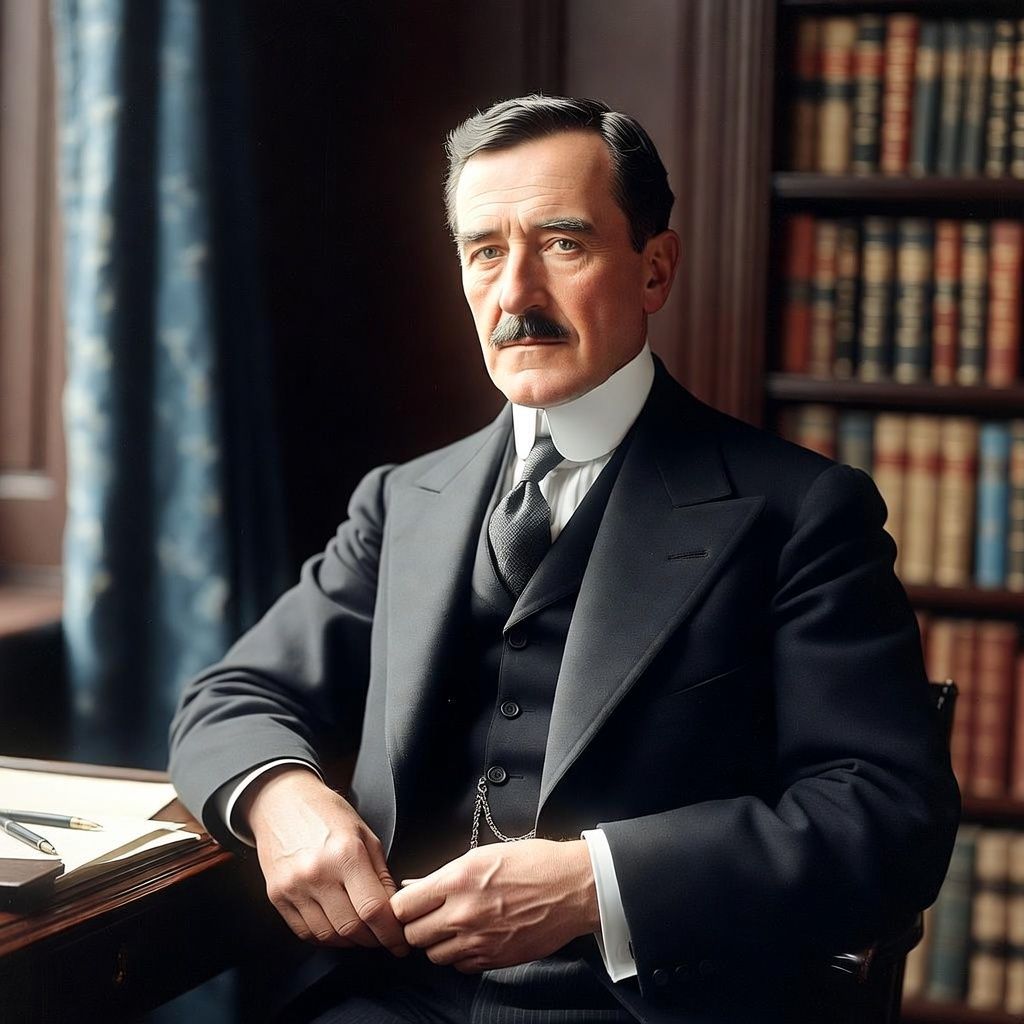
It is in vain to say human beings ought to be satisfied with tranquility: they must have action; and they will make it if they cannot find it.
About This Quote

This line appears in Charlotte Brontë’s novel *Jane Eyre* (1847), spoken in the first-person voice of Jane during her early adulthood at Thornfield. In a reflective passage, Jane resists the era’s expectation that women—especially governesses—should be content with quiet duty, emotional restraint, and domestic routine. Brontë, writing from within the constraints of Victorian gender norms and class hierarchies, uses Jane’s meditation to articulate a broader human restlessness: when society denies meaningful outlets for energy and ambition, people will seek or even manufacture “action” by whatever means remain available.
Interpretation
Brontë argues that tranquility is not a sufficient ideal for human flourishing. The sentence turns on a psychological claim: the need for purposeful activity is so fundamental that, if denied legitimate expression, it will reappear in distorted forms—restlessness, rebellion, risk-taking, or self-made dramas. In *Jane Eyre*, the thought also functions as a critique of gendered containment: telling women they “ought” to be satisfied is both moralizing and unrealistic. The quote’s enduring force lies in its recognition that agency is a human necessity, not a luxury; suppressing it does not eliminate desire, it merely redirects it.
Source
Charlotte Brontë, *Jane Eyre: An Autobiography* (1847), Chapter 12.