War is at best barbarism…. Its glory is all moonshine. It is only those who have neither fired a shot nor heard the shrieks and groans of the wounded who cry aloud for blood, more vengeance, more desolation. War is hell.
About This Quote
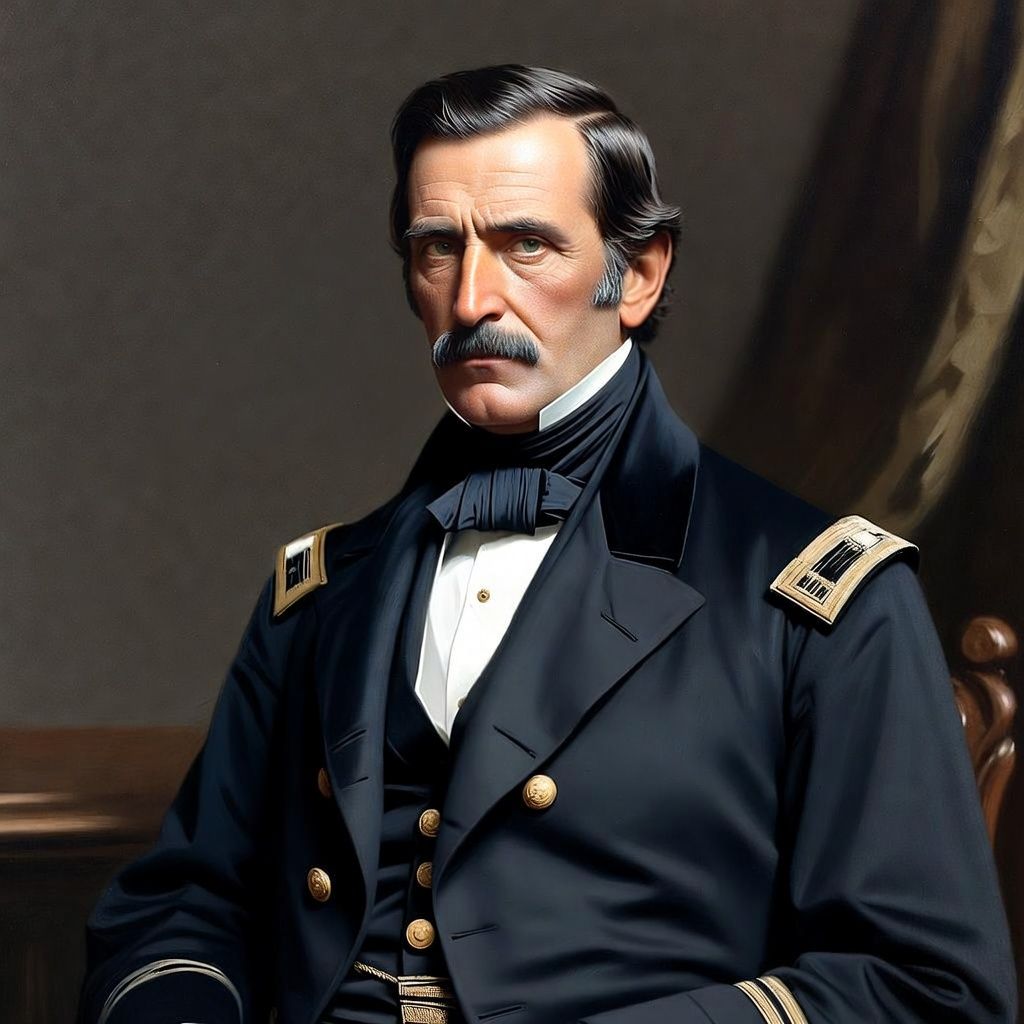
Sherman’s remarks about war’s brutality are associated with his post–Civil War public comments, especially speeches to veterans and civic audiences in the 1870s–1880s, when he was a nationally known Union general and later Commanding General of the U.S. Army. The best-attested kernel—“War is hell”—comes from an address in which Sherman warned listeners not to romanticize combat and criticized those who clamor for war without having experienced its suffering. The longer, highly elaborated wording (“moonshine… shrieks and groans… more vengeance”) circulates widely in later quotation collections and paraphrases, reflecting the same anti-romantic theme but not always traceable verbatim to a single contemporaneous transcript.
Interpretation
Sherman rejects the idea that war possesses intrinsic nobility or “glory.” By calling its glory “moonshine,” he frames patriotic exaltation as an illusion that evaporates when confronted with the physical and moral wreckage of battle. The contrast between those who have fought and those who “cry aloud for blood” condemns armchair militarism: distance from suffering makes vengeance easy to demand. The closing aphorism, “War is hell,” compresses the argument into a moral verdict—war is not a proving ground for virtue but a human catastrophe that brutalizes participants and victims alike. In quotation culture, the line functions as a corrective to heroic mythmaking and a warning about the costs hidden by rhetoric.