I am the Way, the Truth, and the Life. No one comes to the Father except through me.
About This Quote
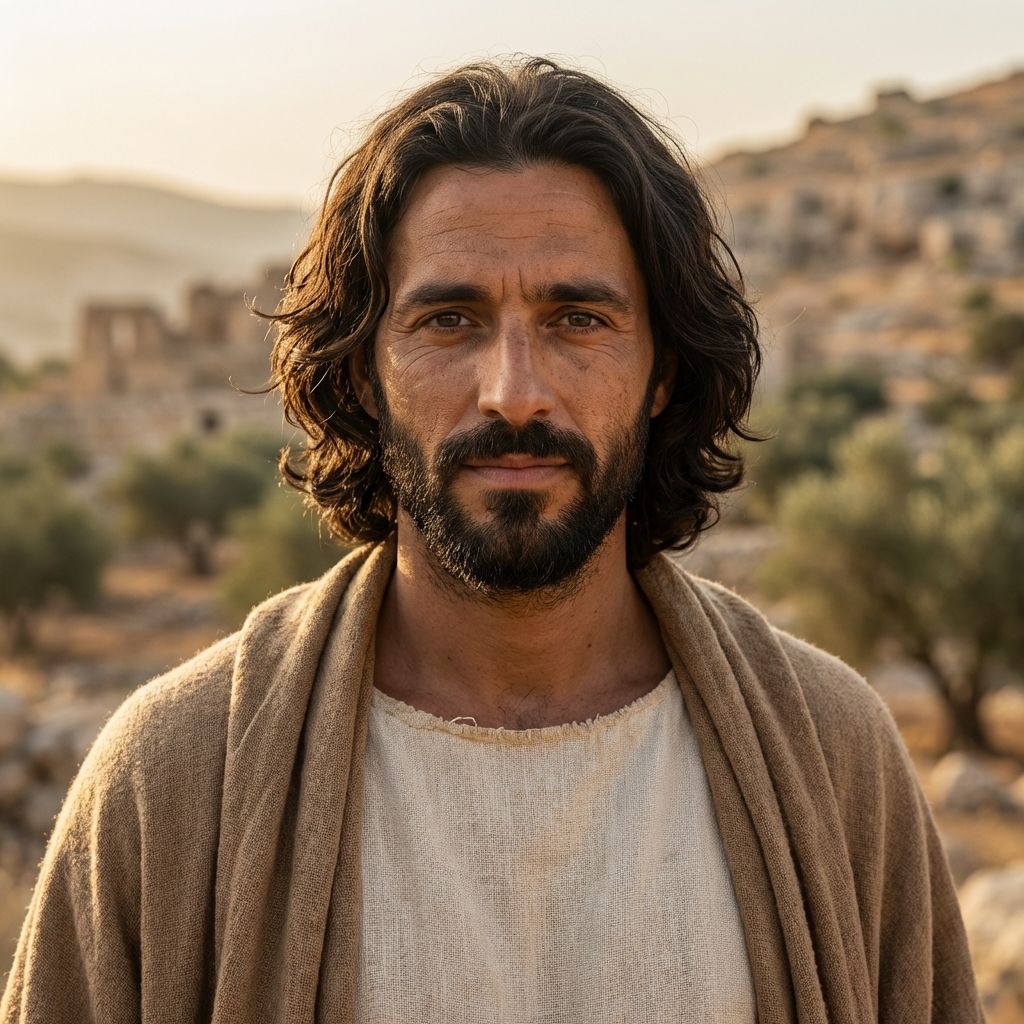
This saying appears in the Gospel of John during Jesus’ “Farewell Discourse” at the Last Supper (John 13–17), on the night before his arrest and crucifixion. Jesus is preparing his disciples for his departure, speaking of going to the Father and of the “many rooms” in the Father’s house. When Thomas asks how they can know the way to where Jesus is going, Jesus responds with this declaration. In Johannine context, it functions as a climactic self-revelation, reassuring the disciples amid impending loss and framing Jesus’ death, resurrection, and return to the Father as the decisive route by which believers have access to God.
Interpretation
The statement presents Jesus not merely as a teacher of a path but as the path itself (“the Way”), the definitive disclosure of God (“the Truth”), and the source of divine, enduring life (“the Life”). In John’s theology, knowing God is inseparable from relationship with Jesus, who mediates access to the Father. The exclusivity of “No one comes…except through me” has been central to Christian claims about salvation and revelation, shaping doctrines of Christ’s unique mediatorship. It also functions pastorally: in a moment of fear and uncertainty, Jesus offers the disciples a concrete assurance that communion with God is secured through him rather than through their own ability to navigate what lies ahead.
Extended Quotation
“Thomas said to him, ‘Lord, we do not know where you are going. How can we know the way?’ Jesus said to him, ‘I am the way, and the truth, and the life. No one comes to the Father except through me.’”
Variations
“I am the way and the truth and the life. No one comes to the Father except through me.” (NIV)
“I am the way, and the truth, and the life: no man cometh unto the Father, but by me.” (KJV)
“I am the way, and the truth, and the life. No one comes to the Father except through me.” (ESV)
Source
The Gospel according to John, 14:6 (New Testament)