Whoever marries the spirit of this age will find himself a widower in the next.
About This Quote
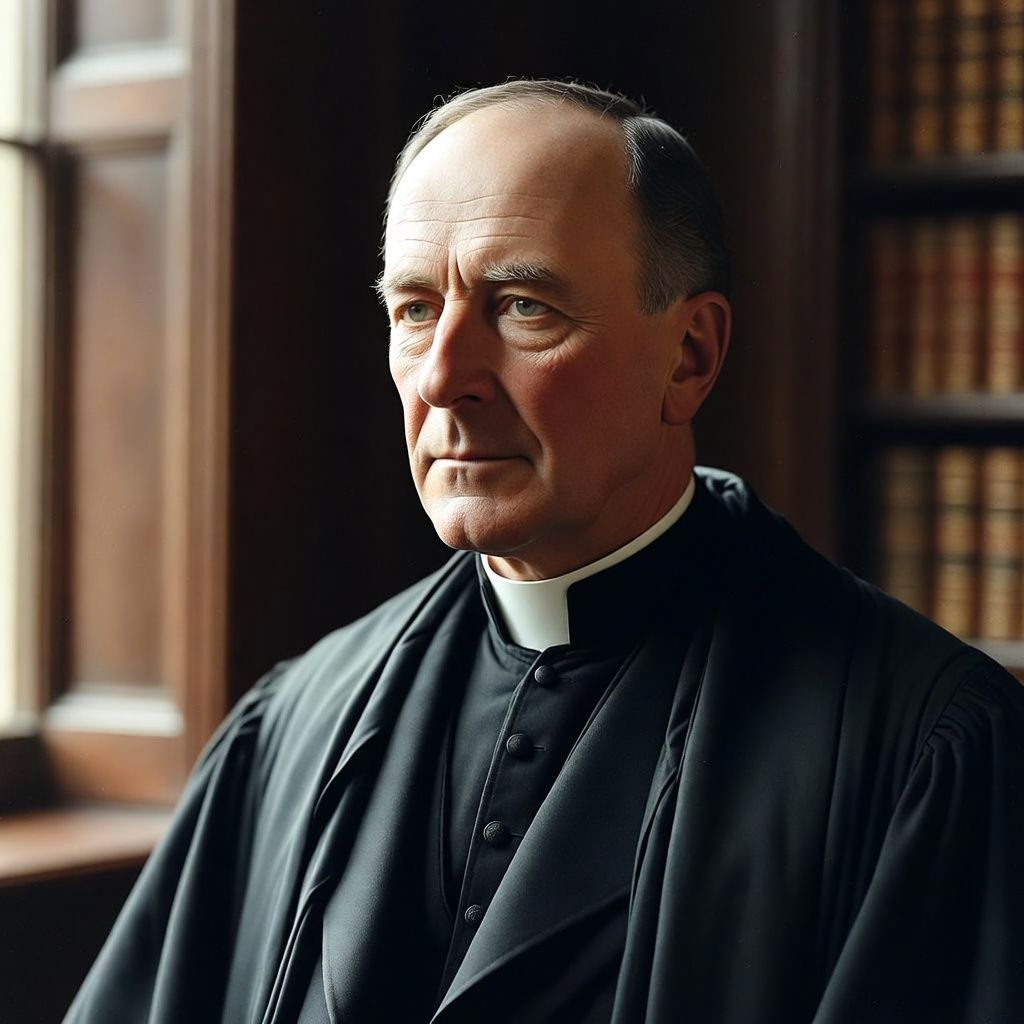
William Ralph Inge (1860–1954), the Anglican priest and long-serving Dean of St Paul’s Cathedral, became famous in early 20th-century Britain for his essays and lectures critiquing modern fashions in politics, theology, and culture. The remark about “marrying the spirit of this age” reflects Inge’s recurring warning against making transient contemporary opinion (“the spirit of the age”) the measure of truth or the basis for religious and moral commitments. It fits his public persona as the “Gloomy Dean,” a commentator skeptical of progressivist certainties and alert to how quickly intellectual and social orthodoxies change from one generation to the next.
Interpretation
The aphorism treats “the spirit of this age” as an unreliable spouse: if you bind yourself to what is merely fashionable, you will soon be left bereft when fashions pass. Inge’s point is not simply that change happens, but that grounding one’s identity, ethics, or faith in contemporary consensus is a category mistake—time will expose its contingency. The “widower” image adds emotional force: the devotee of trend is not just mistaken but abandoned, forced to confront emptiness when the age moves on. Implicitly, Inge commends allegiance to enduring standards—truth, tradition, or transcendent commitments—over the seductions of novelty.