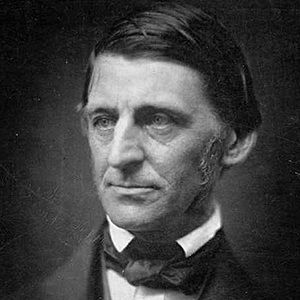
Do we believe that there is equal economic opportunity out there in the real world, right now, for each and every one of these groups? If we believed in the tooth fairy, if we believed in the Easter Bunny, we might well believe that.
About This Quote

Interpretation
Weld’s rhetorical question challenges the comforting civic myth that the marketplace offers genuinely equal opportunity to all groups at a given moment. By invoking the “tooth fairy” and “Easter Bunny,” he frames that belief as childish wish-fulfillment rather than an evidence-based assessment of social and economic conditions. The line implies that disparities among groups are not merely the result of individual effort but are shaped by structural barriers—education, networks, discrimination, inherited wealth, and geography—that make opportunity uneven. The quote’s force comes from its contrast between idealized American meritocracy and the “real world,” urging listeners to confront inequality honestly before designing policy or judging outcomes.