The bravest are surely those who have the clearest vision of what is before them, glory and danger alike, and yet notwithstanding go out to meet it.
About This Quote
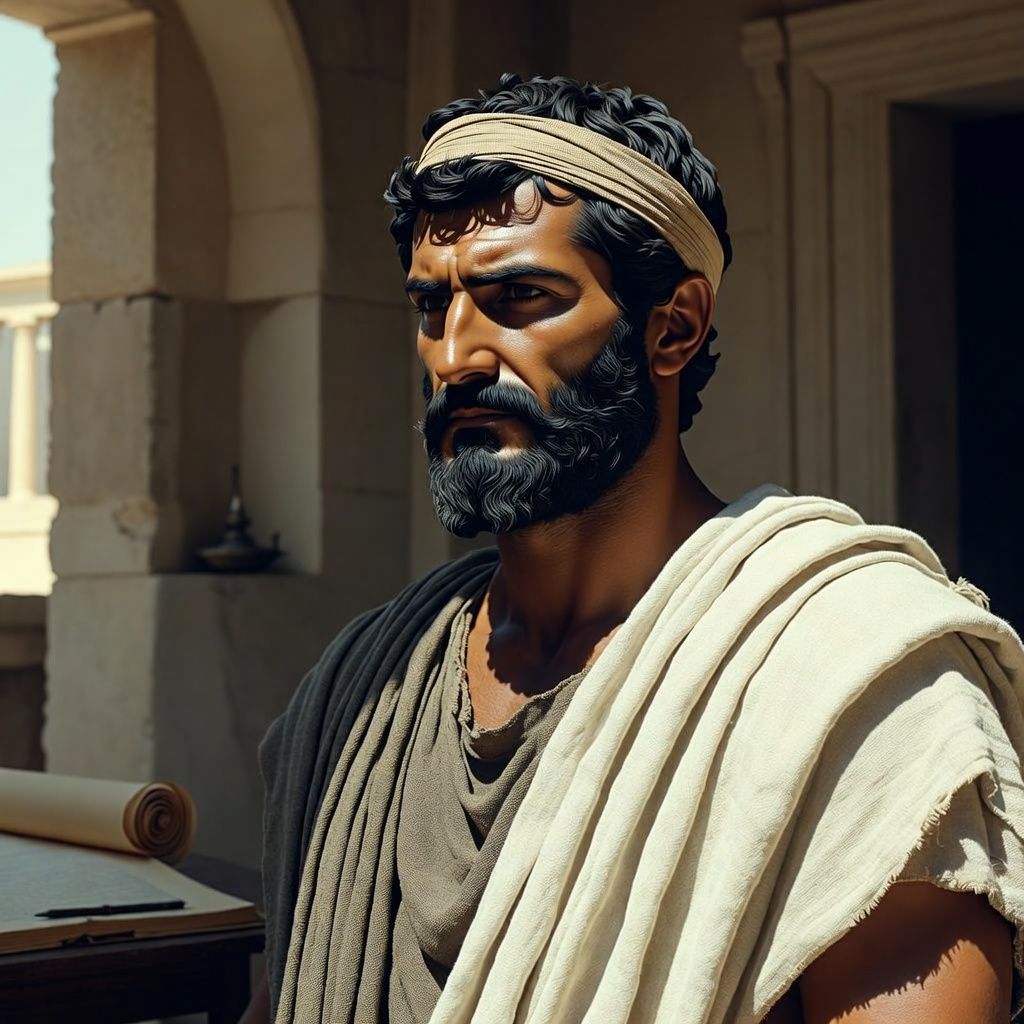
This sentiment is associated with Thucydides’ account of the Peloponnesian War, where he frequently contrasts rashness born of ignorance with courage grounded in sober understanding. In his narrative and set-piece speeches, Thucydides presents “true” bravery as a civic and military virtue: the capacity to perceive both the rewards of action (honor, glory, advantage) and its costs (risk, suffering, death) without self-deception, and still to choose to face danger. The line is commonly cited as a Thucydidean maxim distilled from these discussions of courage, fear, and calculation in wartime rather than as a remark tied to a single, well-attested occasion outside the History.
Interpretation
The saying defines courage not as blind fearlessness but as deliberate action taken with full awareness of both reward and risk. “Clearest vision” implies sober judgment: the brave person understands the stakes—honor, success, injury, death—and chooses to act anyway. The pairing of “glory and danger alike” rejects romanticized heroism; it insists that genuine bravery includes an honest appraisal of consequences. In a Thucydidean frame, this also resonates politically: sound leaders and citizens should not be seduced by rhetoric that hides costs. The quote elevates informed resolve over impulsiveness, suggesting that moral strength is compatible with, and even requires, realism.