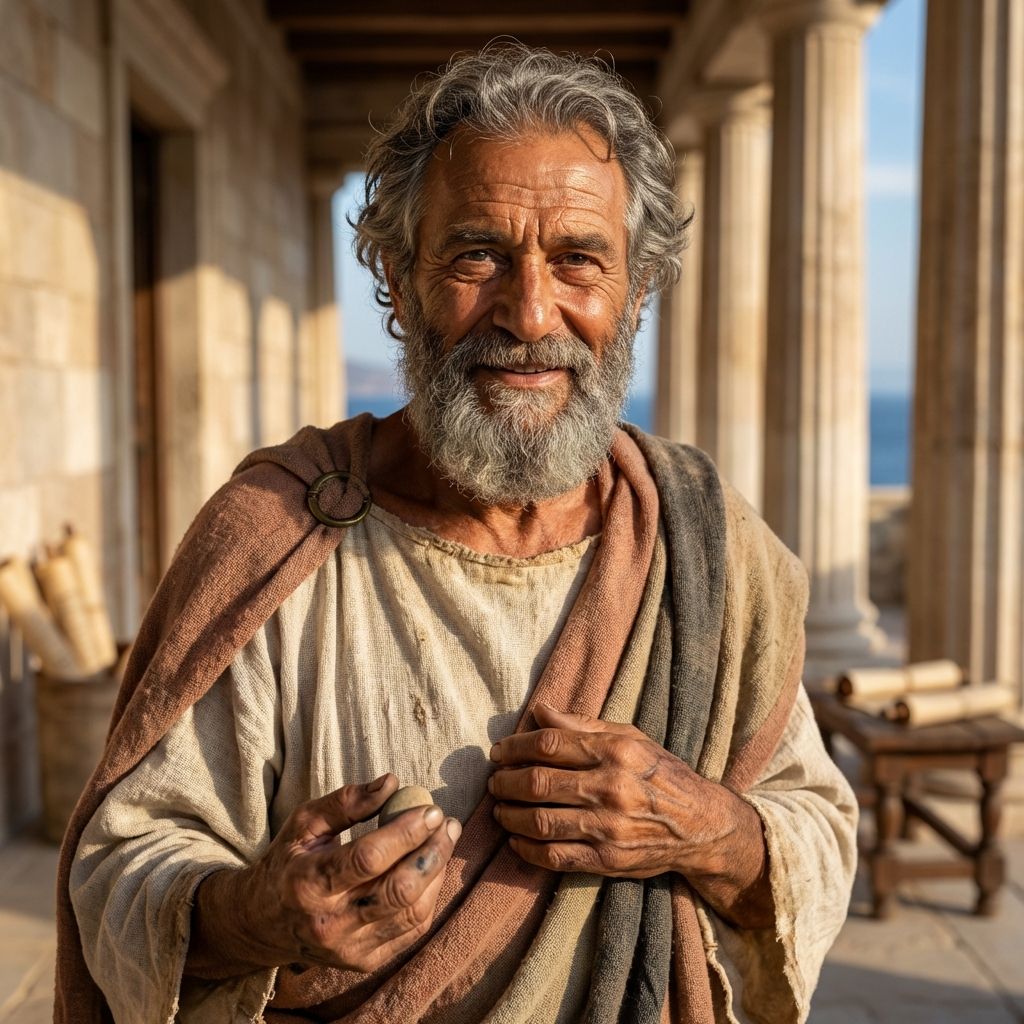
I have built a monument more lasting than bronze.
About This Quote

Horace’s line comes from the closing poem of his first three books of Odes, composed in the late 1st century BCE under Augustus. In this “envoi” (Odes 3.30), Horace reflects on the durability of poetic achievement compared with physical monuments—statues, temples, triumphal arches—that Roman elites built to secure fame. Writing after years of civil war and during the cultural consolidation of the Augustan regime, Horace positions his lyric poetry as a lasting public work: it will outlive the city’s material grandeur and carry his name beyond his lifetime. The poem ends by invoking Melpomene, the Muse of lyric poetry, to crown him.
Interpretation
The “monument” is metaphorical: Horace claims that art, especially well-made poetry, preserves a person’s name more securely than bronze or stone. The boast is not merely personal vanity; it articulates a classical theory of literary immortality—fame transmitted through cultural memory rather than through perishable matter. By contrasting his verse with Rome’s most durable materials, Horace elevates the poet’s craft to civic significance: poetry becomes a public record and a vehicle of identity across generations. The line also frames authorship as self-fashioning: Horace “builds” his legacy through language, implying that enduring reputation is constructed, not simply inherited.
Variations
1) “I have erected a monument more lasting than bronze.”
2) “I have built a monument more durable than bronze.”
3) “I have raised a monument more lasting than bronze.”
Source
Horace, Odes (Carmina), Book 3, Ode 30, line 1 ("Exegi monumentum aere perennius").