And if you care to hear
The “Swanee River”
Played in ragtime,
Come on and hear,
Come on and hear
Alexander’s Ragtime Band.
The “Swanee River”
Played in ragtime,
Come on and hear,
Come on and hear
Alexander’s Ragtime Band.
About This Quote
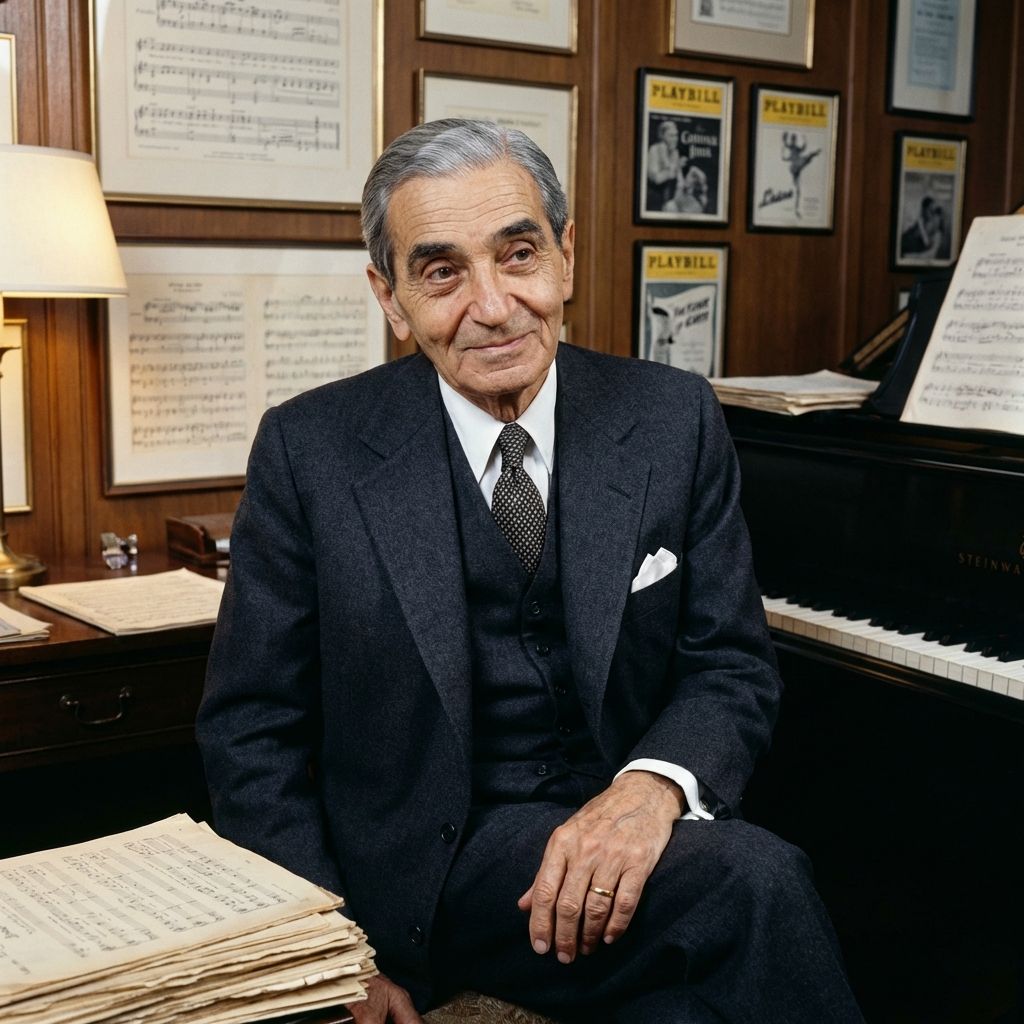
These lines come from Irving Berlin’s 1911 hit song “Alexander’s Ragtime Band,” written at the height of America’s ragtime craze just as popular music was shifting toward syncopated dance rhythms. Berlin, a Tin Pan Alley songwriter, framed the lyric as an invitation to hear a band that can transform familiar tunes into the new ragtime style. The reference to “Swanee River” (Stephen Foster’s “Old Folks at Home”) underscores the novelty: even a well-known sentimental standard can be re-energized by ragtime. The song became a major commercial success and helped cement Berlin’s reputation as a leading composer of American popular song.
Interpretation
The passage is a sales pitch and a manifesto for modern popular music at once: it promises entertainment (“come on and hear”) while celebrating ragtime’s power to remake the musical past. By proposing “Swanee River” in ragtime, Berlin highlights a cultural shift from parlor-song nostalgia to urban, dance-driven syncopation. The lyric also plays with show-business hyperbole—“Alexander’s Ragtime Band” is less a specific ensemble than a symbol of the new sound sweeping audiences. The repeated invitation creates momentum and communal excitement, suggesting that ragtime is not merely a style but a social experience that draws listeners into a shared, up-to-date musical world.
Source
Irving Berlin, “Alexander’s Ragtime Band” (song), 1911.