Contentment is natural wealth; luxury, artificial poverty.
About This Quote
Interpretation
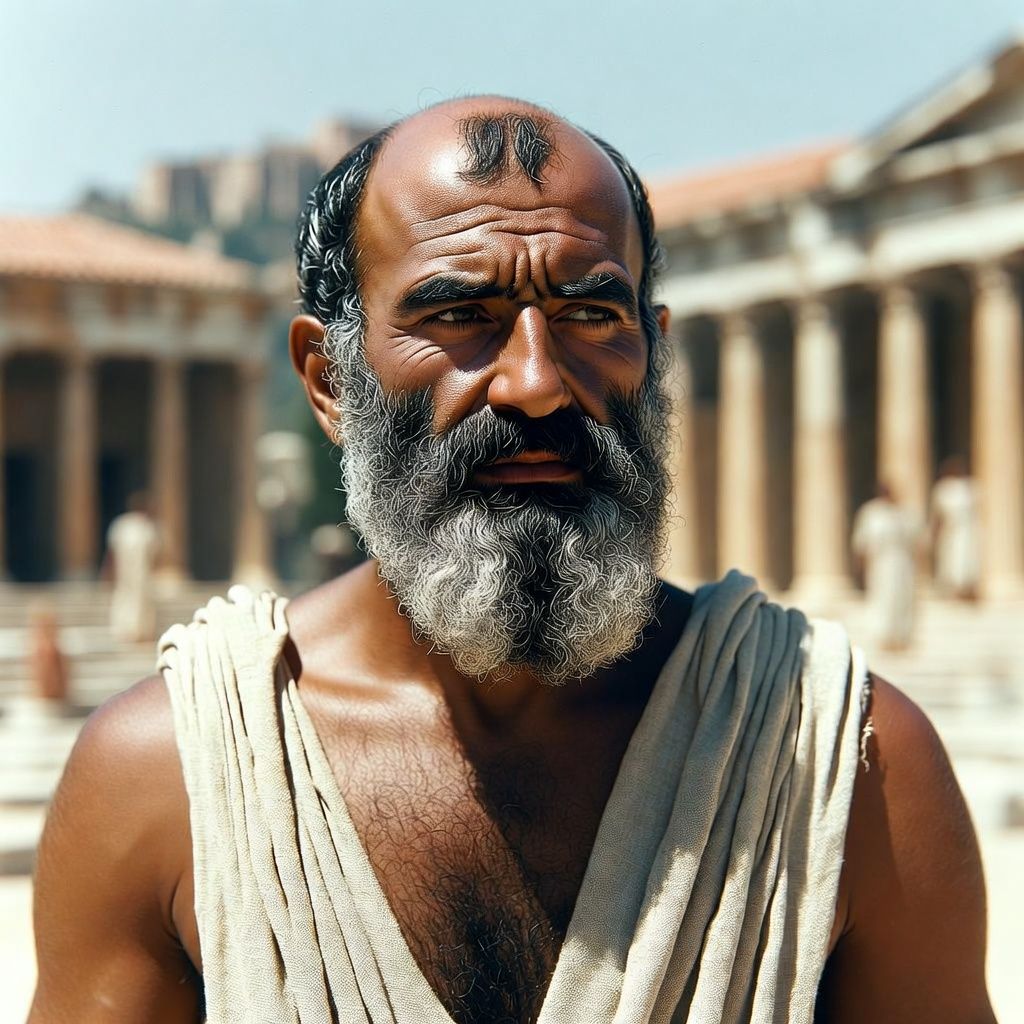
The saying contrasts two kinds of “wealth.” Contentment—wanting little and being satisfied with what is sufficient—functions like a durable, self-renewing form of prosperity because it reduces dependence on external goods. Luxury, by contrast, creates new appetites and raises the threshold of what feels “enough,” so it can make a person feel poorer precisely as they acquire more. The thought aligns with the Socratic/Greek ethical emphasis on self-mastery and the critique of unnecessary desires: freedom and well-being come less from accumulation than from disciplining wants. It also implies a moral economy: the richest life may be the simplest one, if it is governed by reason rather than craving.
Variations
“Contentment is natural wealth; luxury is artificial poverty.”