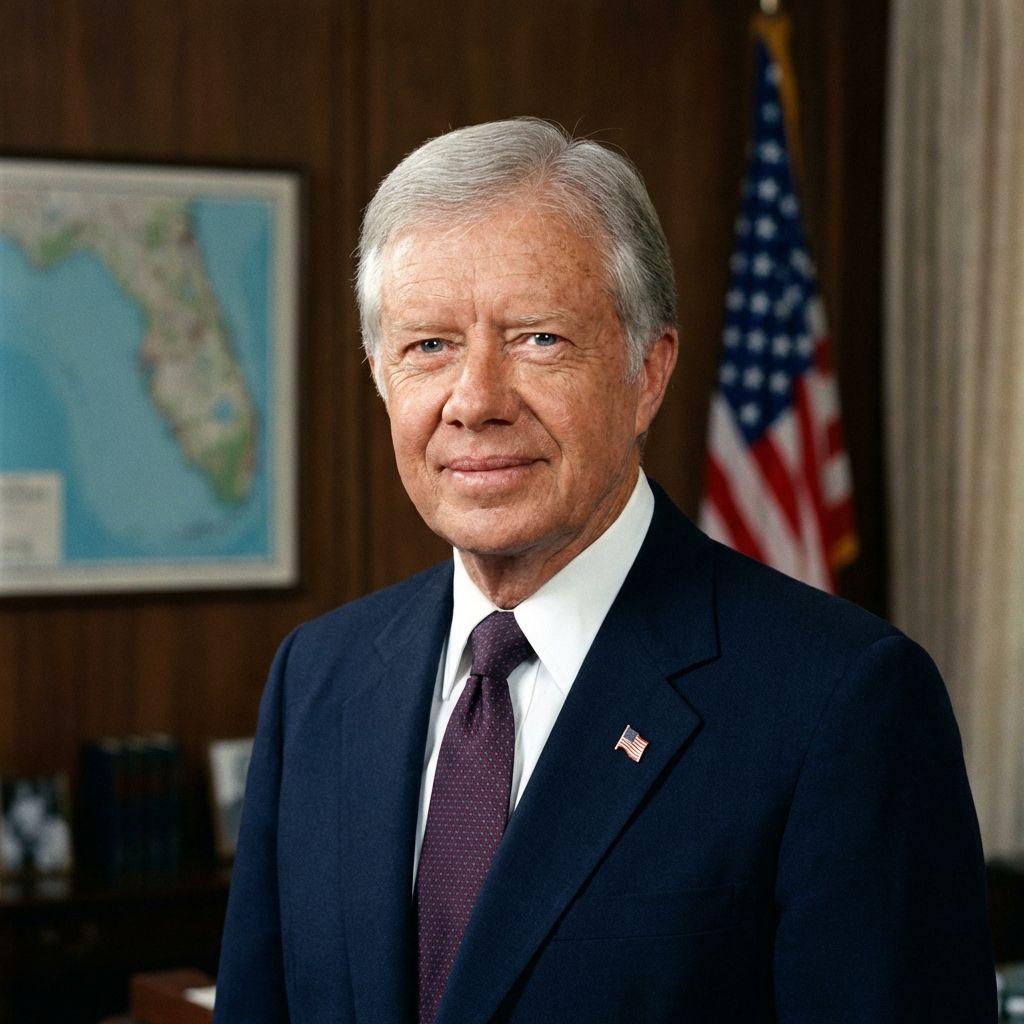
I don’t know [what weapons will be used in the Third World War]. But I can tell you what they’ll use in the Fourth — rocks!
About This Quote

This remark is widely attributed to Albert Einstein in the early Cold War era, reflecting anxieties about nuclear weapons and the possibility that a future world war could devastate industrial civilization. Einstein was publicly engaged in anti-nuclear advocacy after World War II—supporting international control of atomic energy and warning about the catastrophic consequences of an arms race. However, despite its popularity in print and online, the quotation’s precise circumstances (date, audience, and wording) are not securely documented in Einstein’s authenticated writings or in a clearly traceable contemporaneous transcript. It appears to have circulated largely through later recollection and secondary quotation collections rather than a definitive primary source.
Interpretation
The line is a darkly comic way of stating that a nuclear world war would likely destroy modern industrial society. By refusing to predict the weapons of World War III, the speaker emphasizes uncertainty about escalation, but the certainty about “rocks” in World War IV underscores the expected collapse of technology, infrastructure, and social order. The quote functions less as a literal forecast than as a moral warning: the true “victory” in a nuclear conflict would be mutual ruin, leaving survivors reduced to pre-modern conditions. Its enduring appeal comes from compressing a complex argument about deterrence and existential risk into a memorable, chilling image.
Variations
1) “I know not with what weapons World War III will be fought, but World War IV will be fought with sticks and stones.”
2) “I don’t know what weapons will be used in the Third World War, but the Fourth will be fought with sticks and stones.”
3) “I do not know what weapons will be used in World War III, but World War IV will be fought with rocks.”