It’s easy ’nough to titter w’en de stew is smokin’ hot,
But hit’s mighty ha’d to giggle w’en dey’s nuffin’ in de pot.
But hit’s mighty ha’d to giggle w’en dey’s nuffin’ in de pot.
About This Quote
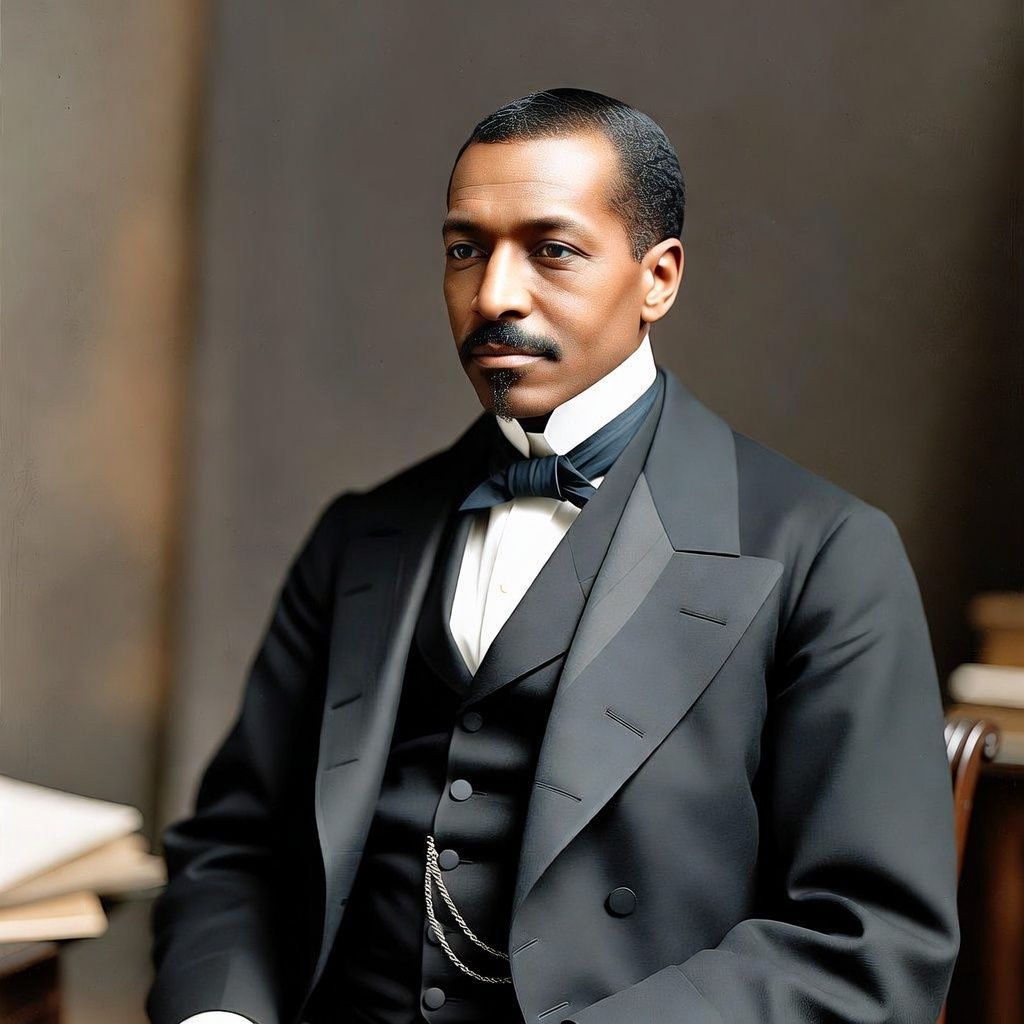
These lines are spoken in the voice of Dunbar’s dialect persona, a speaker who contrasts carefree laughter in times of plenty with the strain of poverty. Dunbar frequently used African American vernacular speech in the 1890s to dramatize everyday social realities—especially the precariousness of working-class life—while also engaging the era’s expectations for “plantation” humor. The couplet comes from a poem structured around the idea that cheerfulness is easiest when basic needs are met, and it functions as a pointed, experience-based rebuttal to sentimental calls to “just be happy” amid hardship.
Interpretation
In Dunbar’s dialect verse, the speaker contrasts the ease of cheerfulness in times of plenty with the difficulty of maintaining good humor in hardship. “Stew… smokin’ hot” evokes comfort, warmth, and a full table—conditions under which laughter comes naturally. “Nuffin’ in de pot” reverses the image: hunger and scarcity test one’s spirit. The couplet functions as a plainspoken moral observation about resilience and the uneven distribution of life’s burdens, and it also showcases Dunbar’s ability to compress social commentary into homely, memorable imagery.