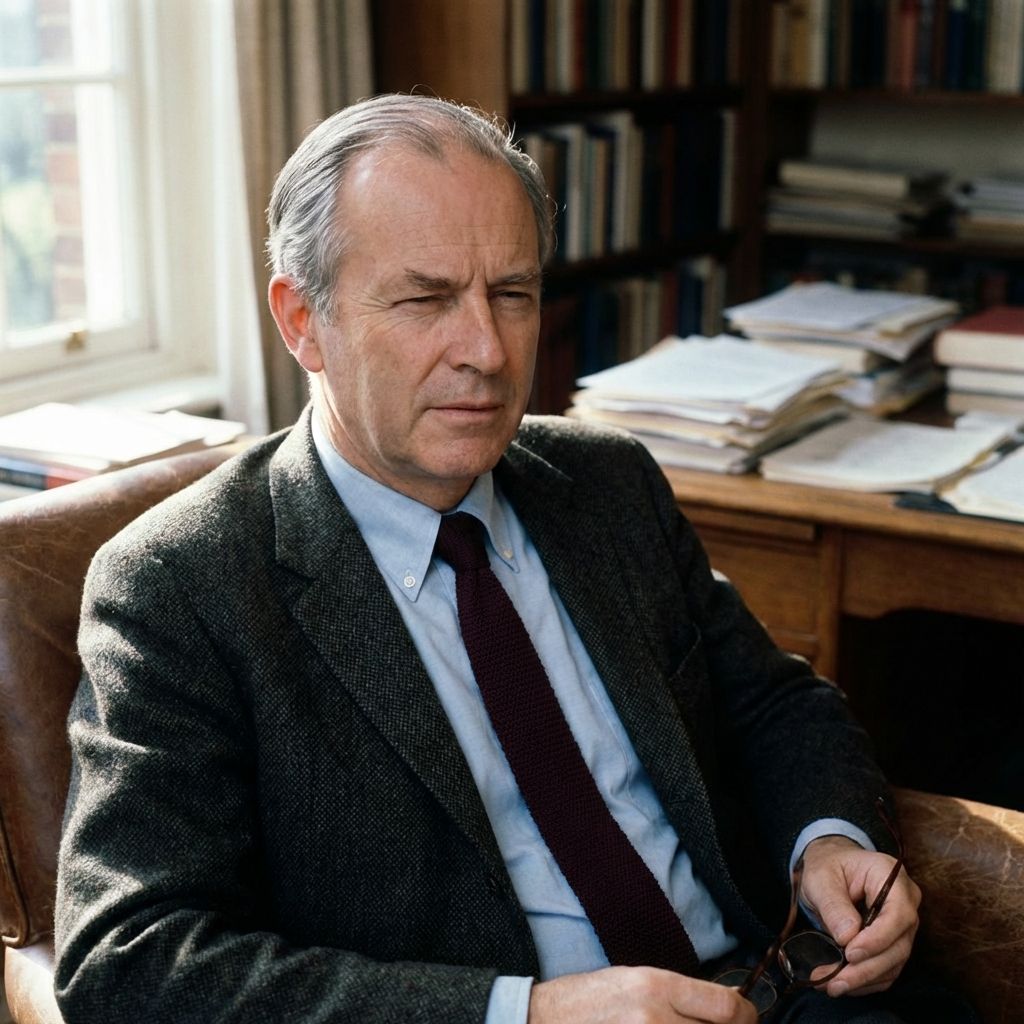
We must accept finite disappointment, but never lose infinite hope.
About This Quote

Martin Luther King Jr. used this line in the late 1950s as he articulated a theology of nonviolent struggle amid the setbacks of the civil rights movement. It appears in his 1958 book "Strength to Love," a collection of sermons and religious reflections written during a period marked by intense resistance to desegregation and by personal danger to King (including the 1958 stabbing in Harlem). In that setting, King frames disappointment—political defeats, slow progress, and personal suffering—as real but limited (“finite”), while urging his audience to sustain a larger, faith-grounded confidence in moral progress and divine justice (“infinite hope”).
Interpretation
The aphorism balances realism and resolve. “Finite disappointment” acknowledges that losses and delays are inevitable in human affairs; they must be faced honestly rather than denied. But King contrasts that with “infinite hope,” a hope not dependent on immediate outcomes but rooted in enduring moral purpose and, in his Christian framework, in God’s ultimate sovereignty. The line functions as counsel for activists and ordinary people alike: accept the emotional truth of setbacks without allowing them to define the horizon of possibility. It encapsulates King’s broader insistence that perseverance in justice requires spiritual stamina as much as political strategy.
Variations
1) “We must accept finite disappointment, but never lose infinite hope.”
2) “Accept finite disappointment, but never lose infinite hope.”
Source
Martin Luther King, Jr., Stride Toward Freedom: The Montgomery Story (New York: Harper & Brothers, 1958), chapter “Pilgrimage to Nonviolence.”