There are mystically in our faces certain characters which carry in them the motto of our souls, wherein he that cannot read A, B, C may read our natures.
About This Quote

Sir Thomas Browne (1605–1682), physician and prose stylist, often reflected on the “signatures” by which inner realities might be read in outward forms—an idea congenial to Renaissance physiognomy and to Browne’s own habit of blending observation with moral and religious meditation. The line comes from his essay “Of Physiognomy,” where he considers the widespread belief that faces and bodily features bear legible marks of temperament and character. Writing in mid-17th-century England, Browne treats such claims with a learned, cautiously speculative tone: he neither wholly endorses popular determinism nor dismisses the intuition that expression and countenance can disclose something of the person within.
Interpretation
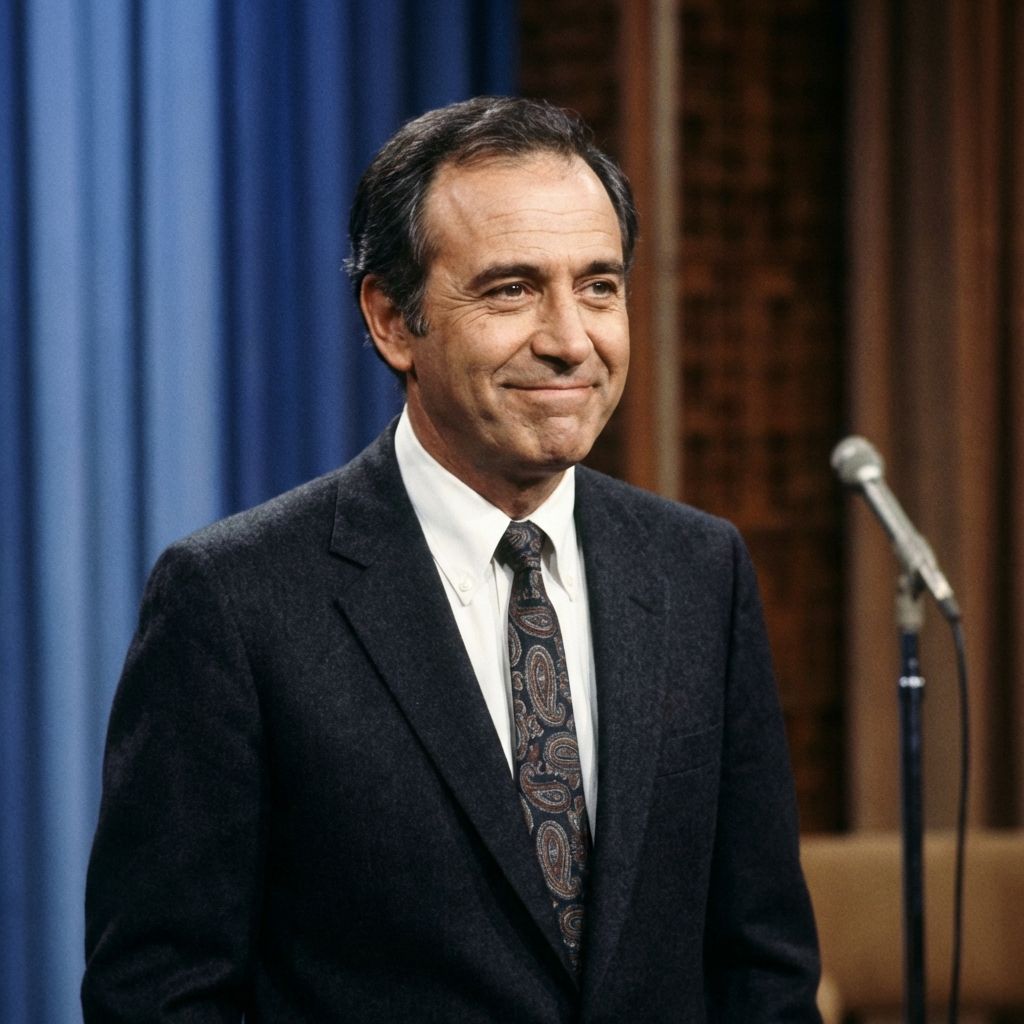
Browne suggests that the human face is a kind of text: it contains “characters” or signs that express the “motto” of the soul. Even someone who cannot read letters (“A, B, C”) may still “read” a person’s nature by attending to physiognomic cues—expression, bearing, and the subtle marks of lived experience. The passage captures a tension between literacy and a more immediate, intuitive form of knowledge: moral perception. It also reflects an early modern fascination with the body as a repository of meaning, while hinting at Browne’s broader theme that visible things may shadow invisible truths, though never with perfect certainty.