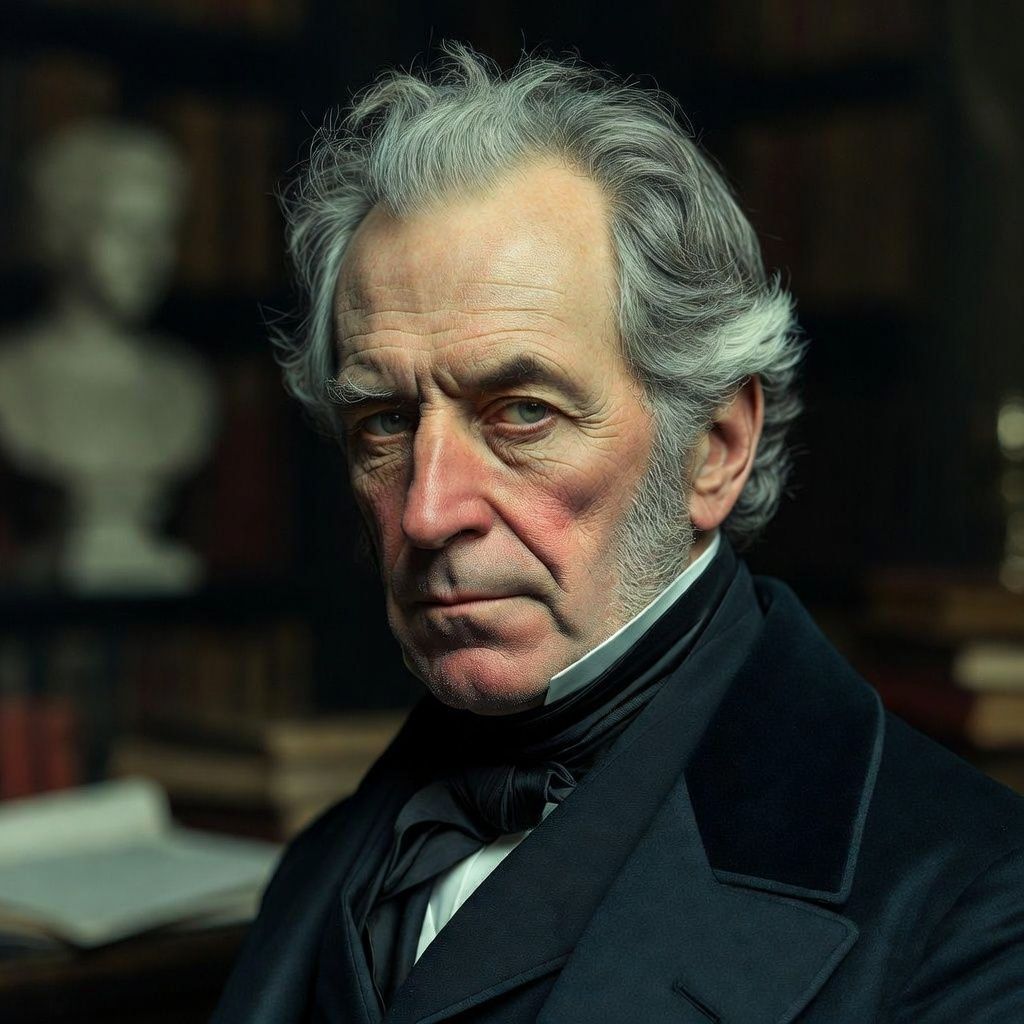
It is not a carol of joy or glee,
But a prayer that he sends from his heart’s deep core…
I know why the caged bird sings!
But a prayer that he sends from his heart’s deep core…
I know why the caged bird sings!
About This Quote
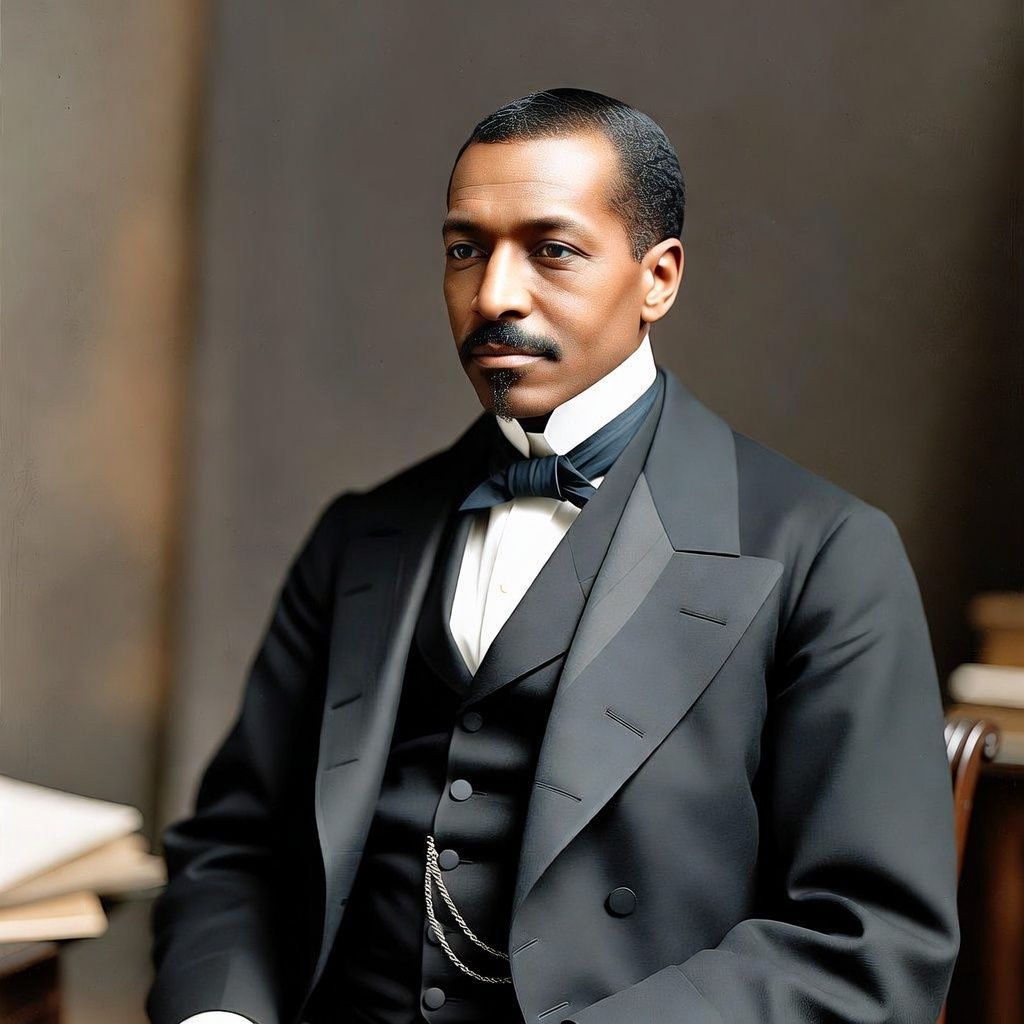
This line comes from Paul Laurence Dunbar’s poem “Sympathy,” first published in his 1899 collection *Lyrics of the Hearthside*. Dunbar (1872–1906), one of the most prominent African American poets of the late 19th century, often wrote about the psychological and social constraints imposed by racism and segregation. In “Sympathy,” he uses the image of a bird beating its wings against cage bars to evoke the pain of confinement and the longing for freedom. The poem’s refrain—“I know why the caged bird sings!”—became especially influential in later African American literary tradition.
Interpretation
The speaker rejects the idea that the caged bird’s song is simple happiness (“a carol of joy or glee”). Instead, the song is a “prayer” rising from deep suffering: the bird sings not because it is content, but because it is wounded, constrained, and yearning for release. Dunbar’s metaphor links physical captivity to broader forms of oppression—social, racial, and spiritual—suggesting that expressive beauty can emerge from pain, and that lament can function as a form of resistance and hope. The refrain underscores empathetic knowledge: the speaker understands the song because he understands the condition that produces it.
Source
Paul Laurence Dunbar, “Sympathy,” in *Lyrics of the Hearthside* (1899).