We are more often treacherous through weakness than through calculation.
About This Quote
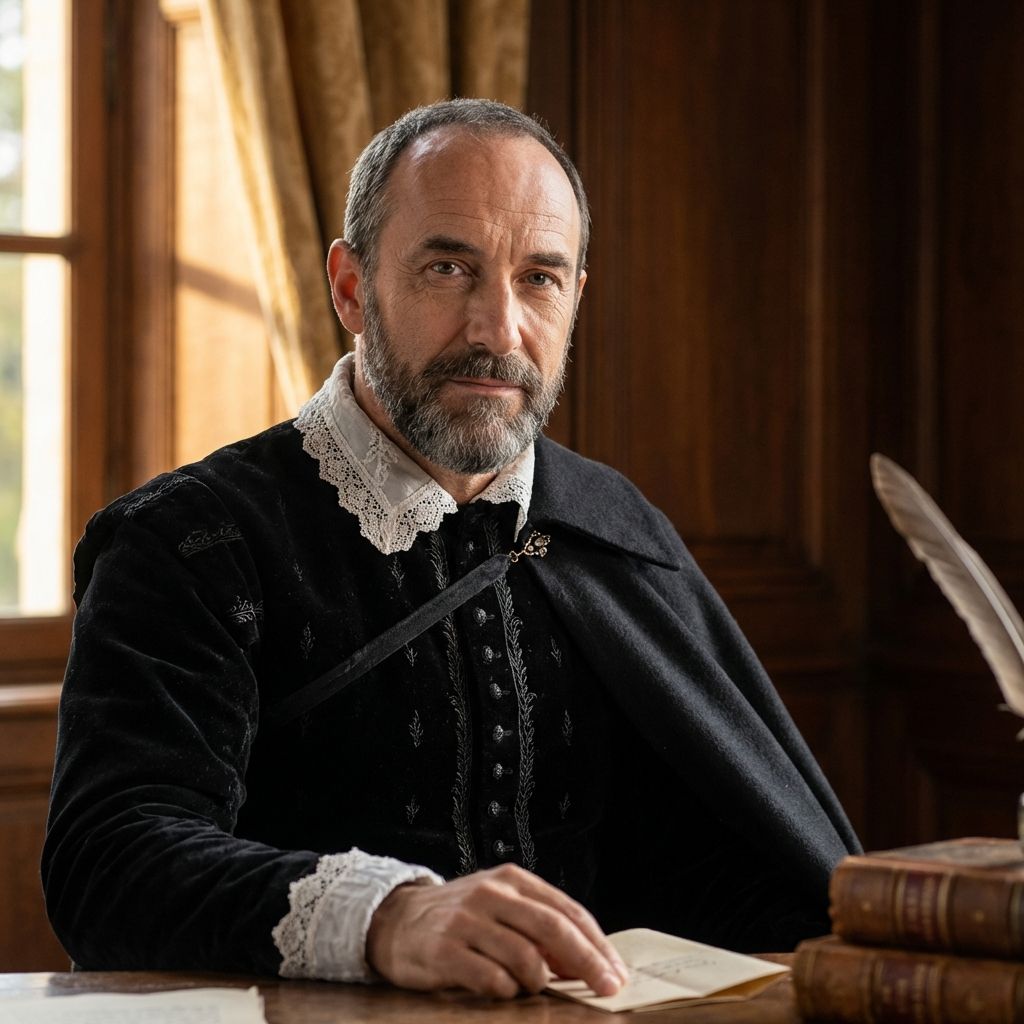
François VI, duc de La Rochefoucauld (1613–1680), was a French aristocrat shaped by court politics, factional intrigue, and the civil unrest of the Fronde (1648–1653). After a life of military and political involvement—and disillusionment with the motives and loyalties of the great—he became closely associated with Parisian salon culture (notably around Madame de Sablé), where moral observation and epigrammatic wit were prized. His Maximes (first published 1665 and revised in later editions) distill these experiences into terse reflections on self-interest, vanity, and human inconsistency. The remark about treachery arising from weakness fits the Maximes’ broader project: exposing how moral failure often stems from frailty and pressure rather than deliberate villainy.
Interpretation
The maxim argues that betrayal is frequently a product of human frailty—fear, dependence, desire to please, or inability to withstand temptation—more than a cold, strategic intent to deceive. La Rochefoucauld shifts attention from melodramatic images of the calculating traitor to the everyday mechanisms of moral collapse: people abandon promises when circumstances tighten, when courage fails, or when they seek safety and advantage without fully owning the choice. The sting of the line is its implication that treachery can be banal and almost inadvertent, rooted in character weakness rather than exceptional malice. It also serves as a warning: loyalty requires strength of will, not merely good intentions.