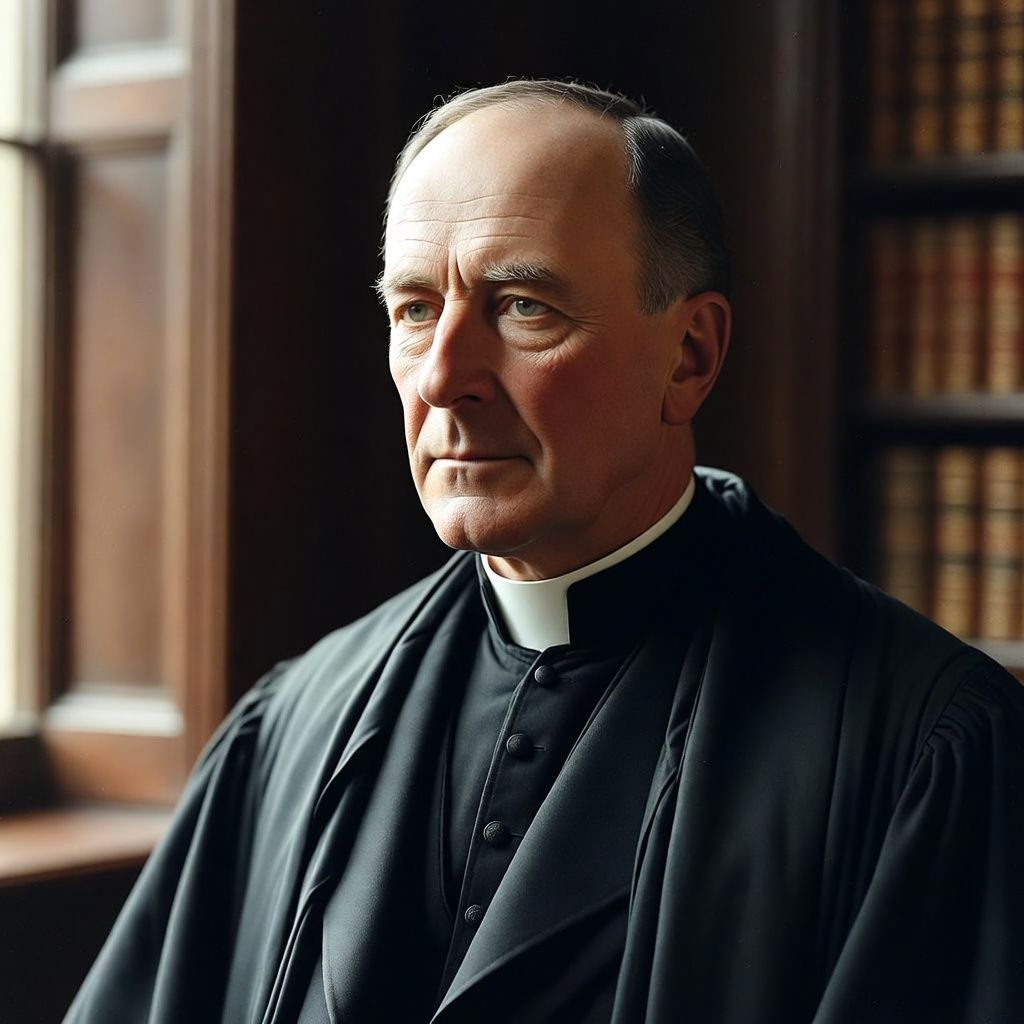
People travel to wonder at the height of the mountains, at the huge waves of the seas, at the long course of the rivers, at the vast compass of the ocean, at the circular motion of the stars, and yet they pass by themselves without wondering.
About This Quote

This line is attributed to Augustine’s Confessions, in a reflective passage where he turns from admiration of the external world to the more urgent task of self-examination before God. Writing as a bishop looking back on his earlier life, Augustine repeatedly contrasts outward curiosity—about nature, learning, and spectacle—with the inward journey of memory, conscience, and the soul’s relation to its creator. The remark fits the Confessions’ broader movement: the narrator’s restless searching in the world culminates in the discovery that the most astonishing “place” to explore is the human interior, where God can be encountered and where moral transformation begins.
Interpretation
Augustine juxtaposes awe at grand natural phenomena with a failure to be astonished by the self. The point is not to disparage nature’s beauty, but to criticize a misdirected wonder that stops at external spectacle and neglects the deeper mystery of human consciousness—memory, desire, moral agency, and the capacity for God. “Passing by themselves” suggests living unreflectively, without examining motives or the state of one’s soul. The quote thus advances a central Augustinian theme: true wisdom requires inward attention, because self-knowledge (properly pursued) becomes a path to knowledge of God and to conversion of life.
Source
Augustine, Confessions (Confessiones), Book X, Chapter 8 (often cited as X.8.15 in some editions/translations).