The primary victims of Katrina, those who were given the least help by the government, those rescued last or not at all, were overwhelmingly people of color largely hidden from the mainstream of society.
About This Quote
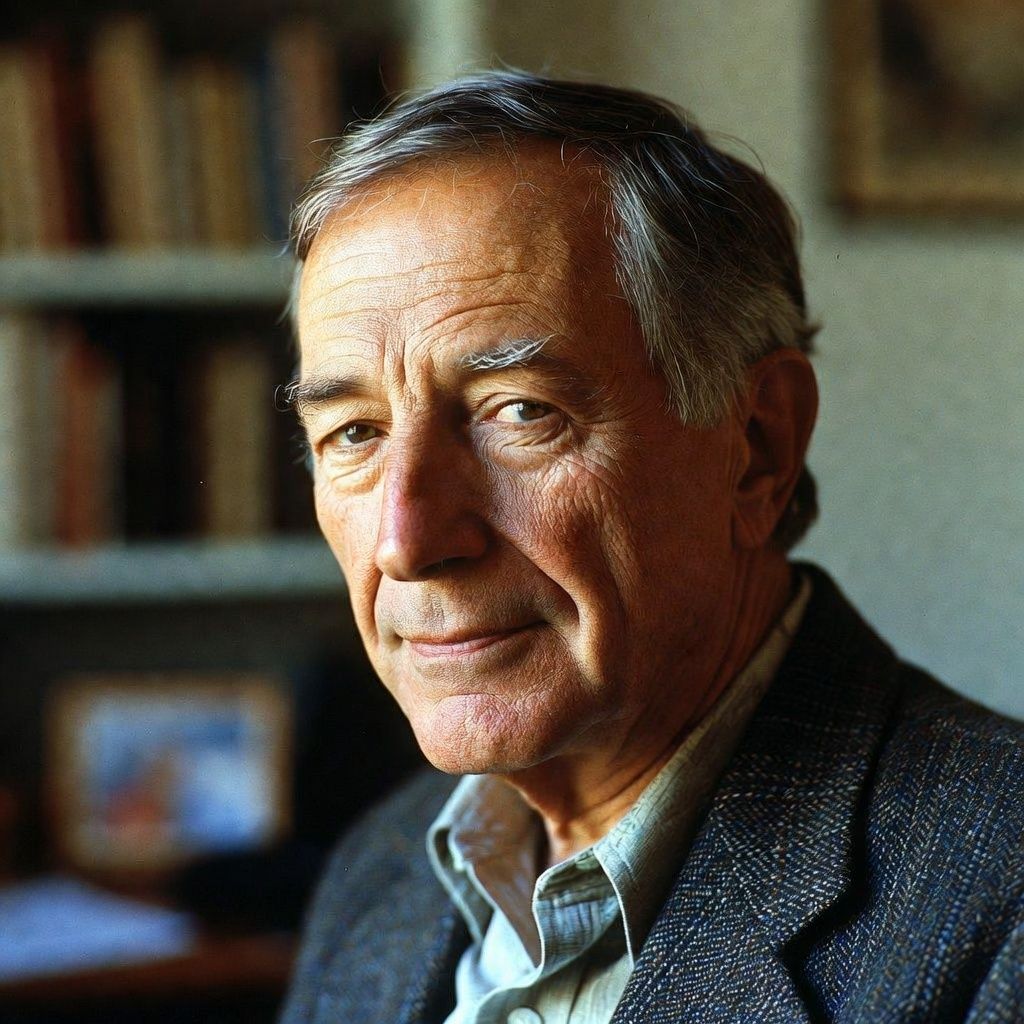
Jonathan Kozol made this observation in the wake of Hurricane Katrina (August 2005), during the national debate over the federal, state, and local response to the catastrophe in New Orleans and along the Gulf Coast. In essays and interviews from this period, Kozol—long focused on structural poverty and racial inequality—used Katrina as a stark, widely televised example of how marginalized communities can be neglected in emergencies. The remark points to the racialized geography of vulnerability in New Orleans, where many of those stranded in flooded neighborhoods or at improvised shelters were Black residents with fewer resources, less political visibility, and limited means to evacuate.
Interpretation
Kozol’s statement frames Hurricane Katrina not only as a natural disaster but as a revelation of entrenched racial and class inequality in the United States. By emphasizing who received “the least help” and who was “rescued last or not at all,” he argues that vulnerability was socially produced: long-standing segregation, poverty, and political neglect placed communities of color in harm’s way and then shaped the uneven emergency response. The phrase “hidden from the mainstream of society” suggests that marginalization is maintained through invisibility—people can be systematically excluded from public concern until catastrophe makes their conditions impossible to ignore. The quote thus functions as moral indictment and as a call to see disaster response as a test of civic equality.