Self-interest speaks all sorts of tongues, and plays all sorts of roles, even that of disinterestedness.
About This Quote

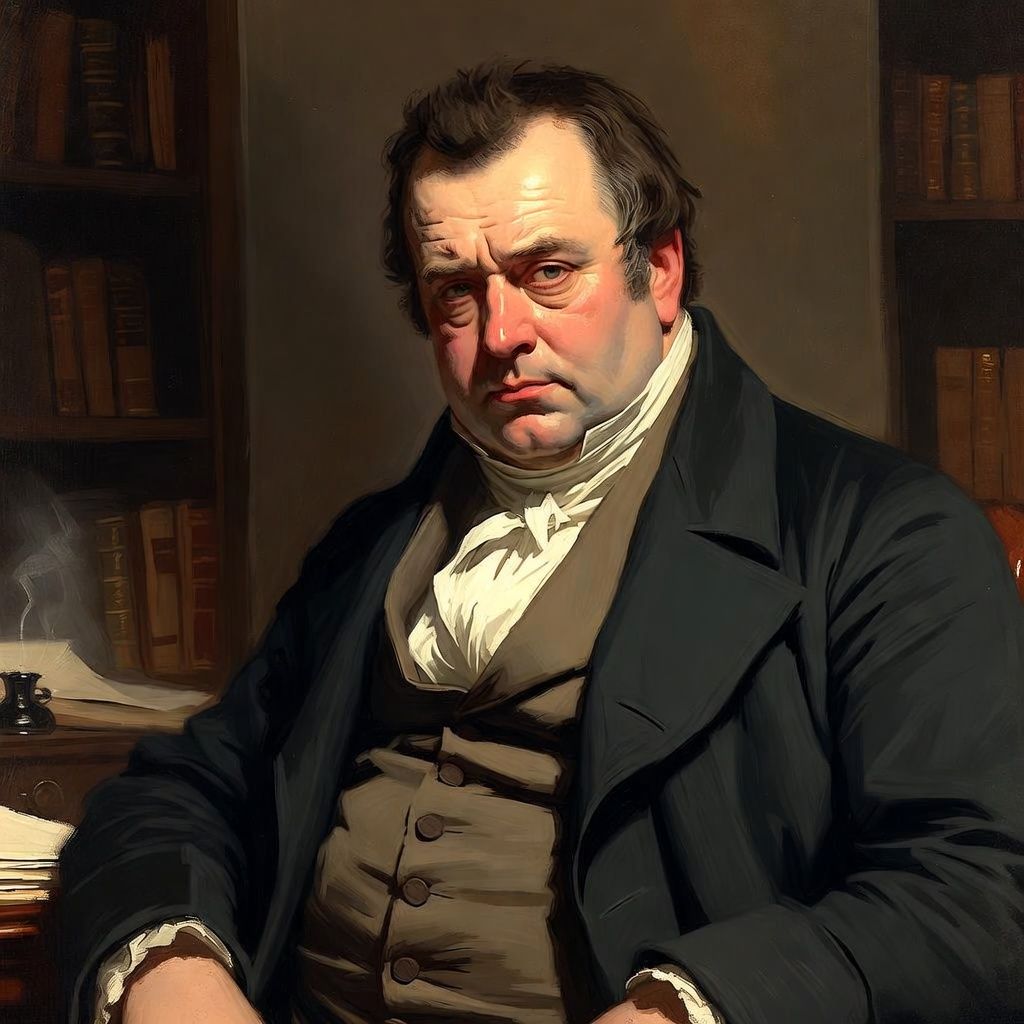
François de La Rochefoucauld (1613–1680), a French aristocrat shaped by court politics, the Fronde civil conflicts, and the moral theater of Louis XIV’s France, distilled his observations into short, skeptical maxims about human motives. This line reflects the milieu of salon conversation and courtly performance, where reputation, patronage, and strategic self-presentation were essential. In that environment, professions of virtue or altruism could function as social currency. The maxim belongs to his project of unmasking the hidden springs of behavior—especially the ways amour-propre (self-love/self-interest) can disguise itself as moral principle or generosity.
Interpretation
The maxim argues that self-interest is protean: it can “speak” in any idiom and adopt any “role,” including the pose of being disinterested. La Rochefoucauld’s point is not merely that people are selfish, but that motives are often mixed and that self-regard is adept at self-deception and social camouflage. Acts that appear altruistic may still serve status, admiration, security, or power. The sting lies in the final clause: even disinterestedness—supposedly the absence of self-concern—can be performed for self-interested ends. The quote thus functions as a warning about moral appearances and an invitation to scrutinize both others’ and one’s own motives.
Source
François de La Rochefoucauld, Réflexions ou sentences et maximes morales (commonly known as Maximes), 1665.