In a sick-room or a bed-room there should never be shutters shut.
About This Quote
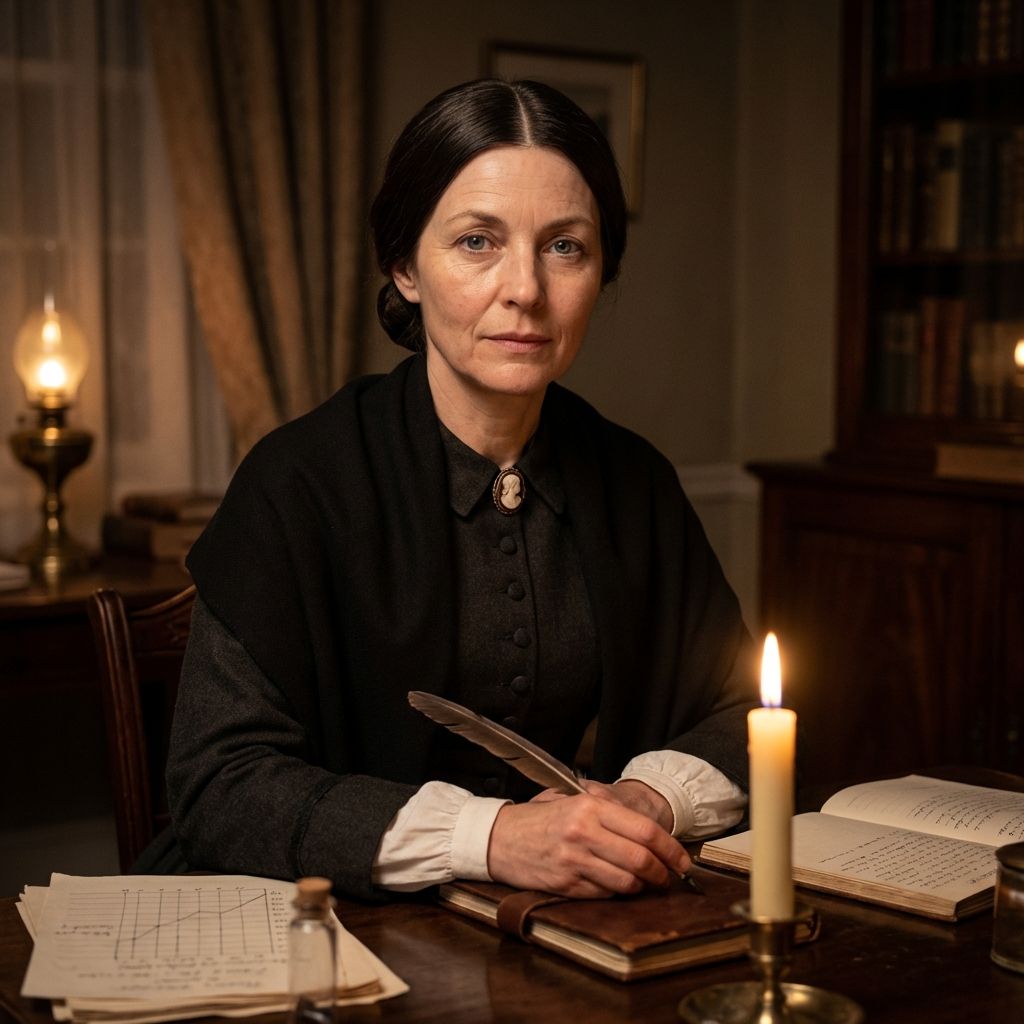
Florence Nightingale wrote this injunction in the context of her mid‑19th‑century campaign to reform hospital and home nursing. Drawing on her Crimean War experience and subsequent work on sanitary design, she emphasized ventilation, light, and the patient’s sensory environment as practical determinants of recovery. In her nursing manual she repeatedly criticizes the common Victorian habit of darkening rooms—closing shutters to “keep out air” or to let patients rest—arguing instead that fresh air and daylight are essential and that nurses should manage comfort without turning the sick-room into a sealed, stagnant space.
Interpretation
The line is a blunt rule of thumb: a room meant for illness or sleep should not be shut off from light and air. Nightingale treats the built environment as part of treatment; darkness and stagnant air are not neutral but actively harmful, fostering foul odors, dampness, and what she understood as “bad air” associated with disease. The quote also reflects her broader philosophy of nursing as disciplined observation and practical management—creating conditions in which nature can heal. Symbolically, it rejects secrecy and gloom in caregiving, insisting on openness, clarity, and attentiveness rather than the comforting but dangerous ritual of shutting the world out.
Source
Florence Nightingale, Notes on Nursing: What It Is, and What It Is Not (London: Harrison, 1859).