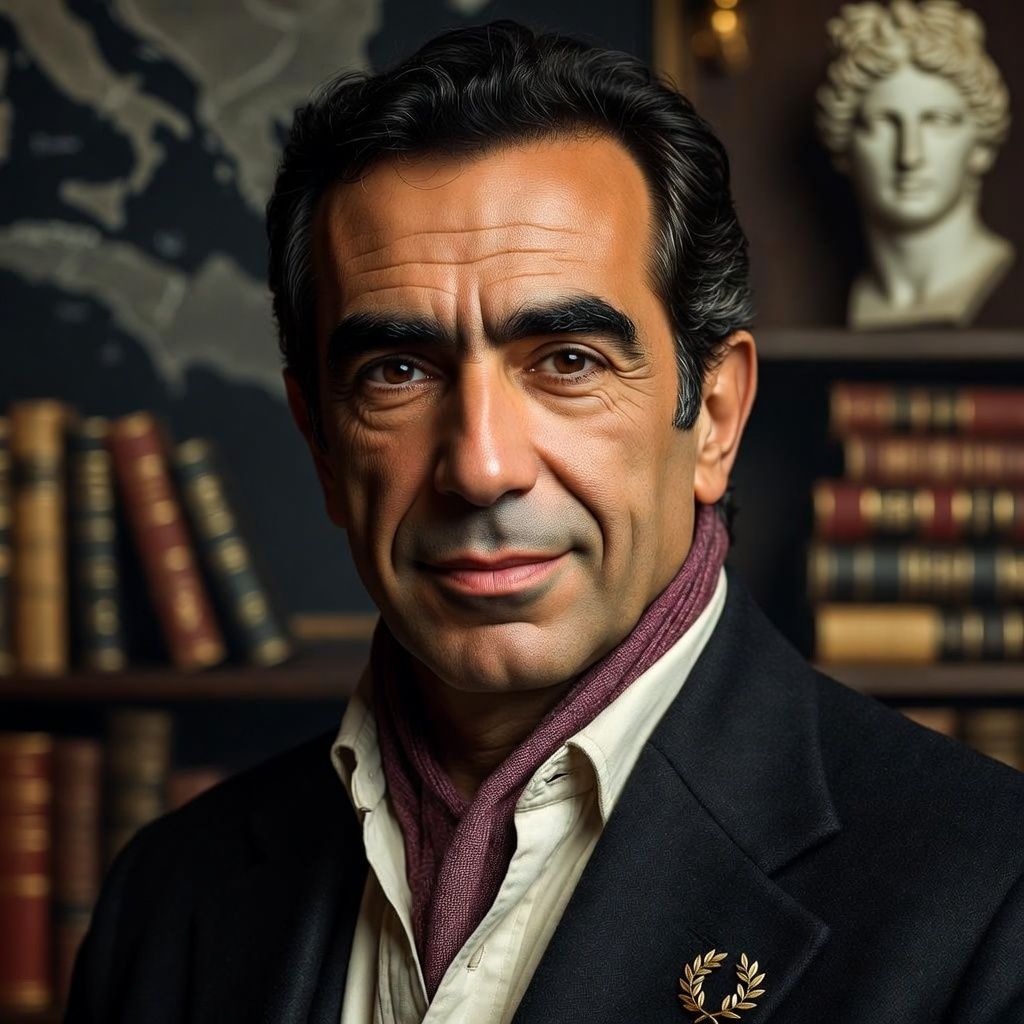
The supreme art of war is to subdue the enemy without fighting.
About This Quote

This maxim is attributed to Sun Tzu’s The Art of War, a Chinese military treatise traditionally dated to the late Spring and Autumn period (c. 5th century BCE). The work was composed for rulers and commanders navigating frequent interstate warfare, where prolonged campaigns could exhaust treasuries, destabilize states, and invite rebellion. In that setting, Sun Tzu emphasizes strategy, intelligence, diplomacy, and psychological advantage over costly battlefield clashes. The line appears in the early chapters that rank outcomes of war, presenting the ideal as achieving political objectives—breaking the opponent’s plans or alliances—before armies meet, thereby preserving one’s own forces and resources.
Interpretation
The quote argues that the highest form of military skill is not tactical brilliance in combat but the ability to make combat unnecessary. “Subduing” an enemy can mean deterring them, isolating them diplomatically, undermining their strategy, or compelling surrender through superior positioning and information. The underlying ethic is pragmatic rather than pacifist: war is a tool of statecraft, and its costs—casualties, uncertainty, and economic strain—should be minimized. In modern usage, the idea is often generalized to competition in politics, business, or negotiation: the best victory is one achieved through foresight and leverage rather than direct confrontation.
Variations
1) "To win without fighting is best." 2) "The greatest victory is that which requires no battle." 3) "The acme of skill is to defeat the enemy without fighting."
Source
Sun Tzu, The Art of War (孫子兵法), Chapter 3, "Attack by Stratagem" (often translated as “The acme of skill is to subdue the enemy without fighting.”).