Though much is taken, much abides; and though We are not now that strength which in old days Moved earth and heaven, that which we are, we are; One equal temper of heroic hearts, Made weak by time and fate, but strong in will To strive, to seek, to find, and not to yield.
About This Quote
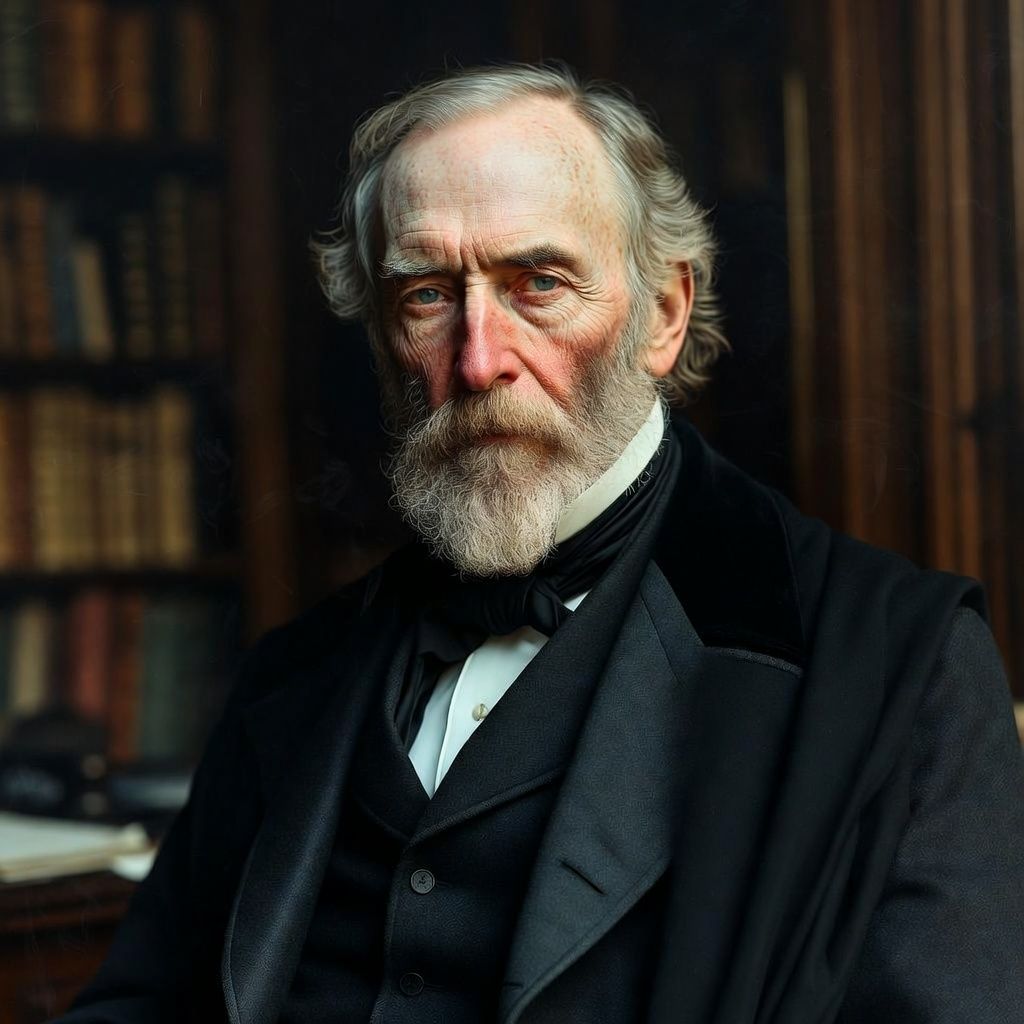
These lines come from Alfred, Lord Tennyson’s dramatic monologue “Ulysses,” first published in 1842 in his volume Poems (often cited as Poems, chiefly Lyrical). Written in the wake of personal loss and midlife uncertainty—especially the death of Tennyson’s close friend Arthur Henry Hallam (1833)—the poem gives voice to the aging Homeric hero Ulysses as he rejects passive retirement. Speaking to his mariners, Ulysses acknowledges physical decline and the erosion of past glory, yet insists on continuing purposeful action and exploration. The quoted passage occurs near the poem’s close, where the speaker rallies his companions to persist despite time and fate.
Interpretation
The passage balances elegy and defiance: it concedes that age diminishes power (“much is taken,” “Made weak by time and fate”) while asserting continuity of identity and resolve (“that which we are, we are”). Heroism is redefined less as youthful might than as steadfast will—an “equal temper” shared among comrades who choose striving over surrender. The climactic triad “To strive, to seek, to find, and not to yield” frames life as an ongoing quest for meaning, knowledge, and experience, even when outcomes are uncertain. In Tennyson’s hands, Ulysses becomes an emblem of perseverance: dignity lies in continued effort, not in preserving past greatness.
Source
Alfred, Lord Tennyson, “Ulysses,” in Poems (London: Edward Moxon, 1842).