I thought when love for you died, I should die.
It's dead. Alone, most strangely, I live on.
About This Quote
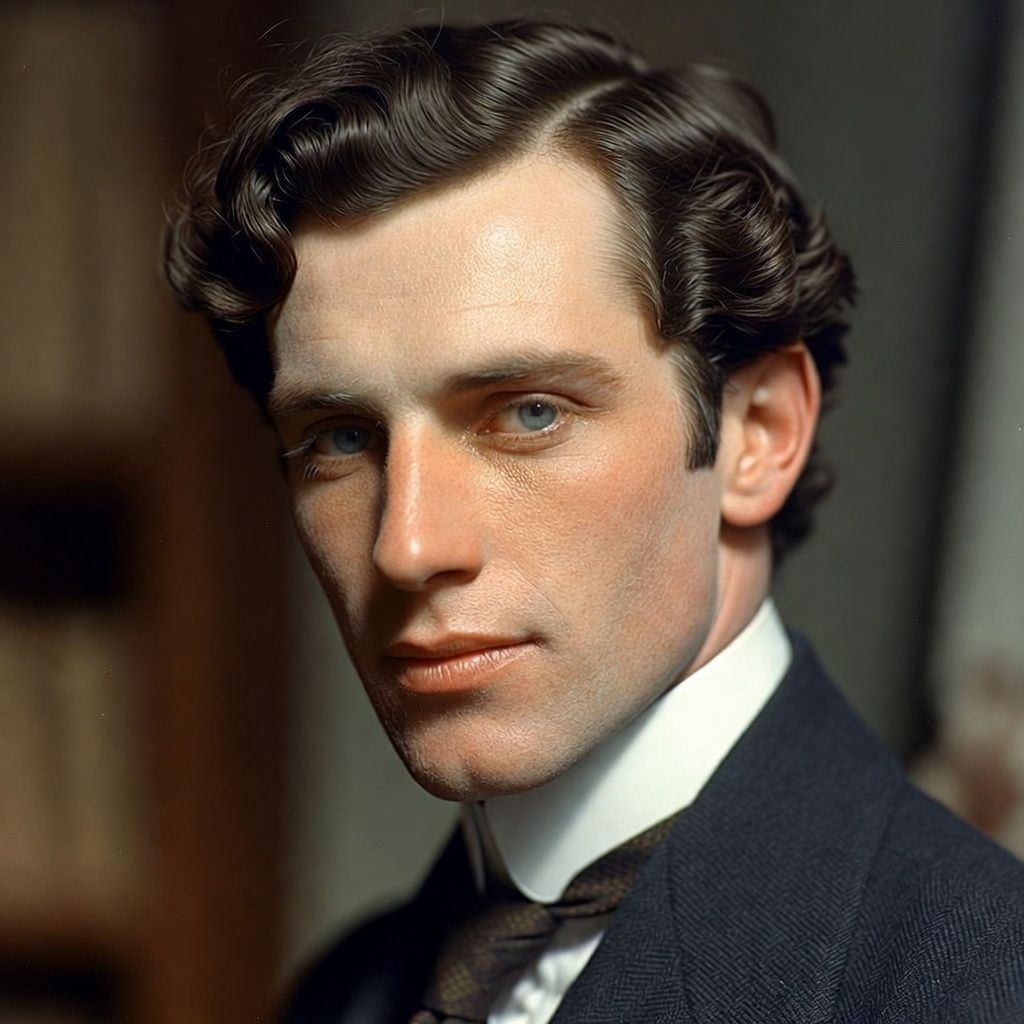
These lines are from Rupert Brooke’s early lyric “The Dead,” written in the years just before the First World War, when Brooke was gaining fame for intensely personal poems about love, disillusionment, and emotional self-scrutiny. The speaker addresses a former beloved and describes the shock of surviving the end of love: what once felt like a life-sustaining attachment has “died,” yet the speaker remains alive, isolated, and bewildered by that endurance. The poem belongs to Brooke’s pre-war, introspective mode rather than the patriotic sonnets for which he later became best known after his death in 1915.
Interpretation
The couplet dramatizes the common romantic belief that love is synonymous with life itself. The speaker had imagined that the death of love would entail literal death—an annihilation of identity and purpose. Instead, love dies and the speaker “most strangely” continues, which turns the expected tragedy into a quieter, more unsettling revelation: the self persists even after the central passion is gone. The final phrase, “I live on,” carries both resilience and emptiness—survival is not triumph but a lonely afterlife. Brooke captures the disorienting gap between melodramatic expectation and emotional reality.
Source
Rupert Brooke, poem "The Dead" (from the sequence "Songs"), first published in Brooke’s collection Poems (London: Sidgwick & Jackson, 1911).