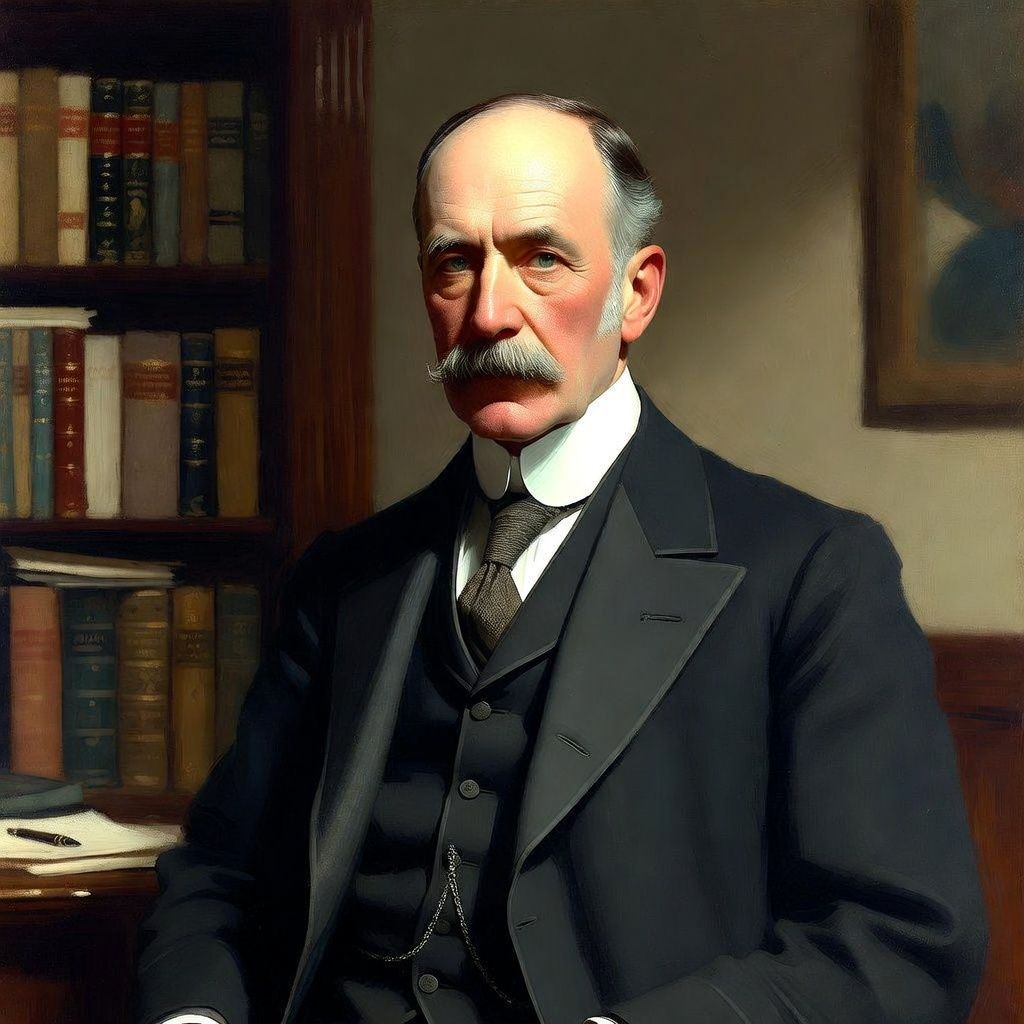
Today we have a health insurance industry where the first and foremost goal is to maximize profits for shareholders and CEOs, not to cover patients who have fallen ill or to compensate doctors and hospitals for their services. It is an industry that is increasingly concentrated and where Americans are paying more to receive less.
About This Quote
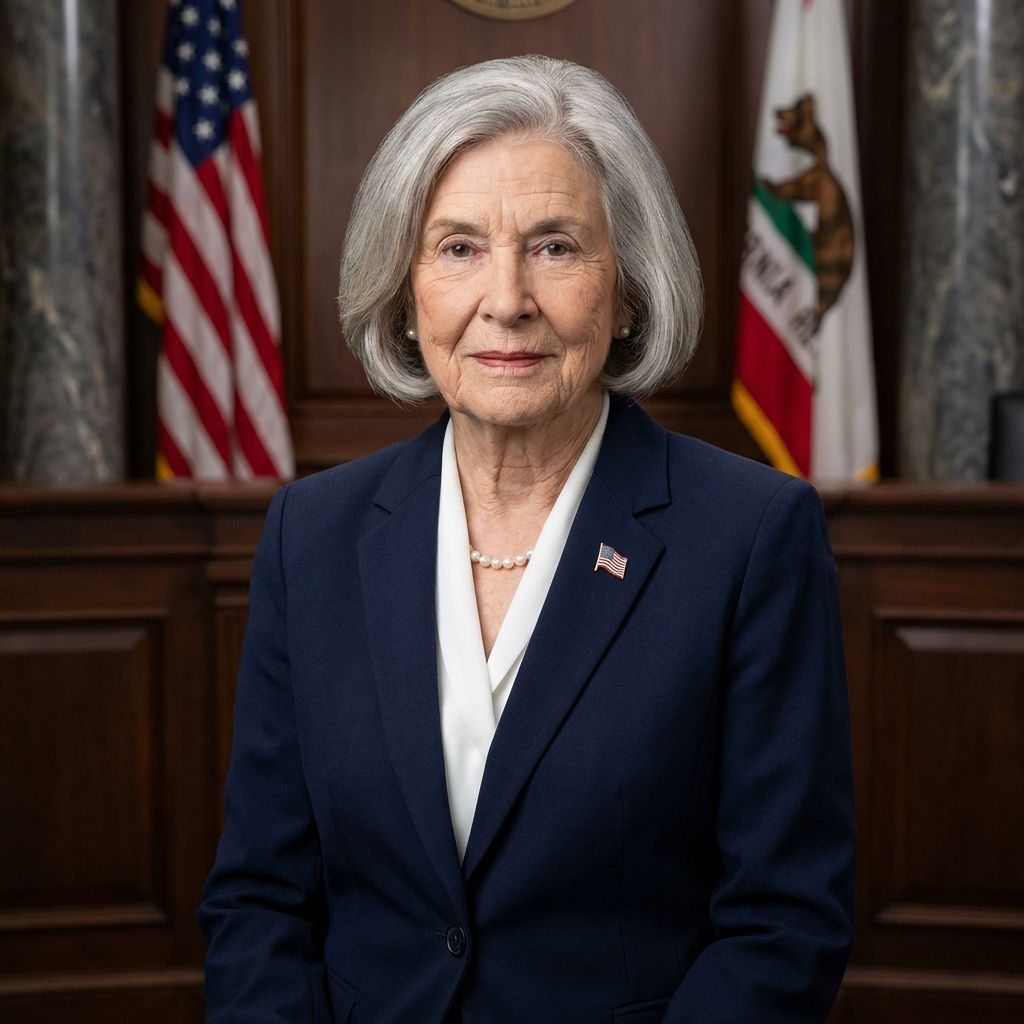
Interpretation
Feinstein frames U.S. private health insurance as structurally misaligned with the social purpose of insurance: pooling risk to pay for care when people get sick. By emphasizing shareholder profit, CEO compensation, and industry consolidation, she argues that market incentives push insurers toward limiting payouts—through denials, narrow networks, cost-sharing, and administrative hurdles—rather than efficiently financing treatment. The closing claim, “paying more to receive less,” encapsulates a critique of rising premiums and out-of-pocket costs alongside perceived erosion in coverage and access. The quote functions as a policy argument for stronger regulation or public alternatives, portraying the problem as systemic rather than the result of isolated bad actors.