True love is like ghosts, which everyone talks about and few have seen.
About This Quote
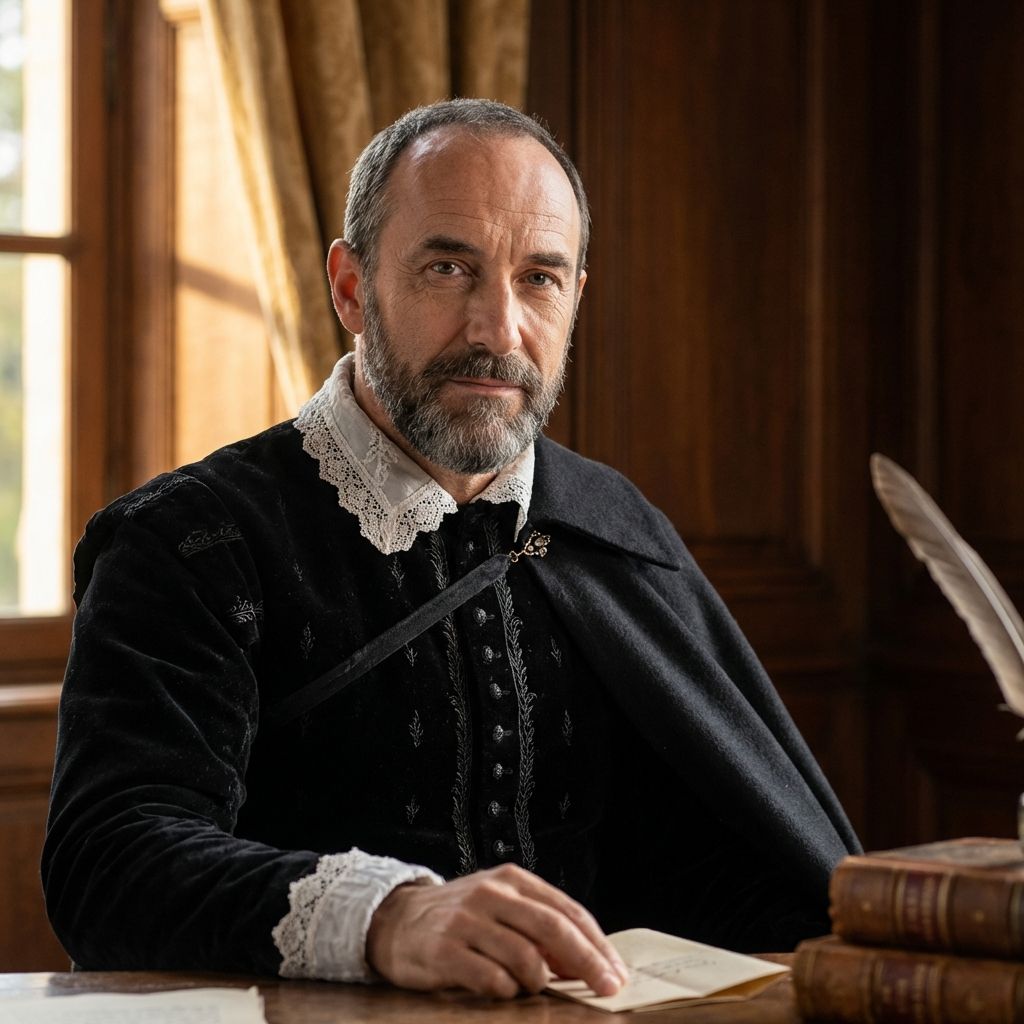
François VI, duc de La Rochefoucauld (1613–1680), was a French aristocrat shaped by court politics, the Fronde civil conflicts, and the moral scrutiny of salon culture in 17th‑century Paris. His reputation rests on the *Maximes*, brief, skeptical observations about self-interest, vanity, and the gap between public ideals and private motives. The aphorism comparing “true love” to ghosts fits this milieu: a world of elaborate social performance in which love was endlessly discussed, theorized, and displayed, yet often suspected of being rarer than people claimed. It reflects the period’s taste for witty, disenchanted moral psychology rather than romantic idealism.
Interpretation
The line suggests that “true love” functions more as a cultural story than a common lived reality. Like ghosts, it is a subject of constant talk—testimony, rumor, and secondhand accounts—while direct experience is scarce and hard to verify. The comparison also implies epistemic doubt: even when someone claims to have seen a ghost (or felt true love), others may suspect illusion, self-deception, or wishful thinking. In La Rochefoucauld’s moral universe, human motives are frequently mixed with vanity and self-interest; the aphorism punctures sentimental certainty and invites readers to examine whether what they call love is genuine devotion or a flattering narrative.
Variations
1) “True love is like apparitions: everyone talks about them, but few have seen them.”
2) “True love is like ghosts; everyone speaks of it, but few have seen it.”
3) “True love resembles ghosts: everybody talks about them, and hardly anyone has seen one.”