Truth is incontrovertible. Panic may resent it, ignorance may deride it, malice may distort it, but there it is.
About This Quote
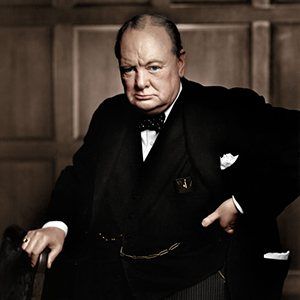
Churchill used this line in the House of Commons during the First World War, in a speech defending the Dardanelles/Gallipoli campaign and rebutting criticism of his role in it. Speaking as political pressure mounted and narratives hardened around blame and failure, he framed “truth” as something that survives the emotional reactions of the moment—fear, public misunderstanding, and partisan hostility. The remark belongs to a larger rhetorical effort to insist that, whatever the immediate political storm, the factual record and sober judgment would ultimately prevail. It is often excerpted as a general maxim, but it originated in a specific parliamentary controversy over wartime decision-making.
Interpretation
The sentence argues that truth has an objective resilience: it does not depend on whether people welcome it. Churchill personifies the forces that commonly oppose unwelcome facts—panic (emotional self-protection), ignorance (lack of understanding), and malice (deliberate manipulation). Each can react differently—resent, deride, distort—but none can erase reality. The final clause, “but there it is,” is deliberately plain, underscoring truth’s stubborn presence. As rhetoric, the line both rebukes opponents and steels supporters: it suggests that time, evidence, and record-keeping will outlast propaganda and hysteria, making it a compact defense of reasoned judgment amid political conflict.
Source
Winston S. Churchill, speech in the House of Commons on the Dardanelles/Gallipoli campaign (parliamentary debate), 17 May 1916 (reported in Hansard).