When I am dead and opened, you shall find “Calais” lying in my heart.
About This Quote
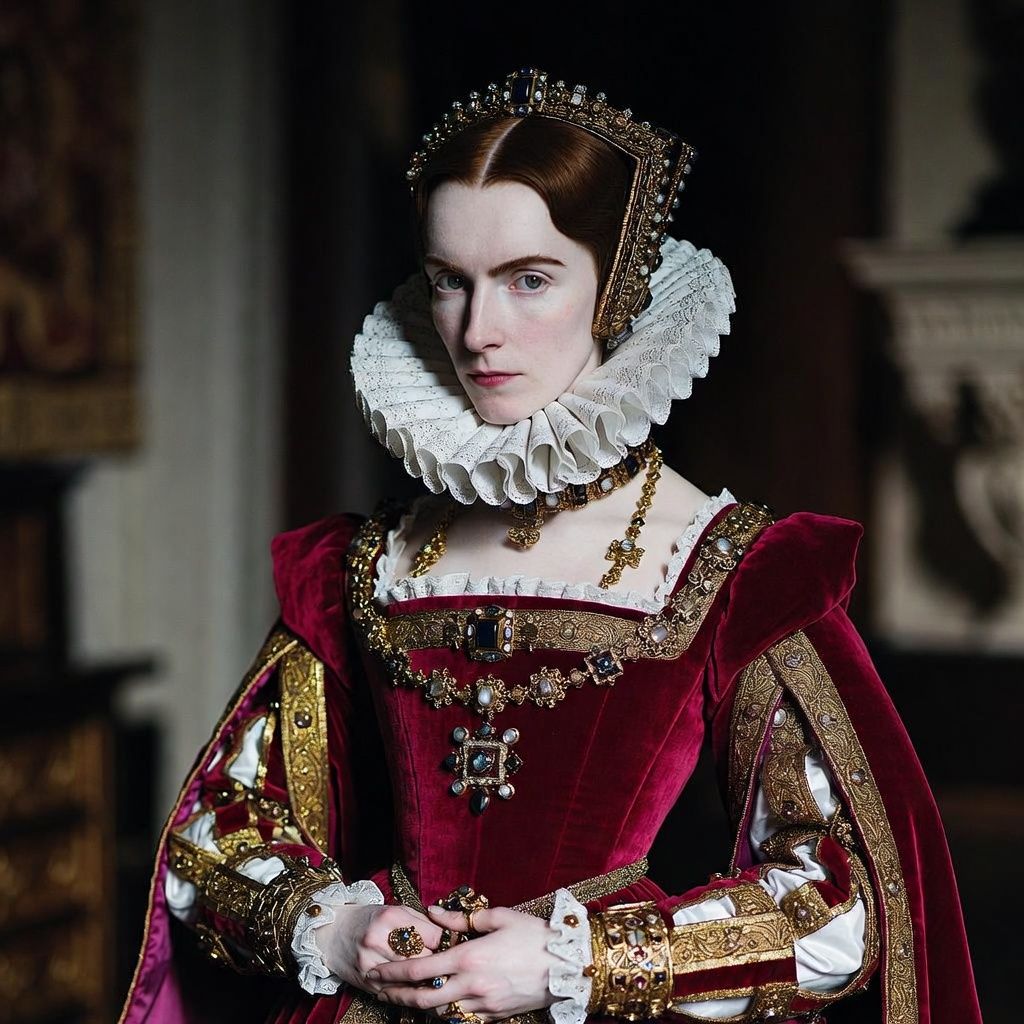
The saying is attributed to Queen Mary I of England (“Mary Tudor”) in the aftermath of England’s loss of Calais, its last continental possession, to France in January 1558. Calais had been held by England since 1347 and was a potent symbol of English prestige and the Hundred Years’ War legacy. Mary’s reign (1553–1558) was marked by efforts to restore Catholicism and by alliance with her husband Philip II of Spain; the war with France that followed ended disastrously for England at Calais. The remark is commonly presented as Mary’s expression of grief and national humiliation, reported in later accounts rather than in a contemporary verbatim transcript.
Interpretation
Mary’s image of “Calais” found in her heart after death turns a geopolitical loss into a personal wound. It suggests that the city’s fall was not merely a strategic setback but an enduring emblem of her reign’s misfortune and of England’s diminished standing. The line also functions rhetorically: by casting Calais as something literally internalized, Mary presents herself as a monarch who feels the realm’s injuries as her own, inviting sympathy even from critics. In later retellings, the quote has become shorthand for the idea that certain losses—territorial, political, or emotional—can define a person’s legacy and remain the most indelible mark of their life.
Variations
1) “When I am dead and opened, you shall find Calais lying in my heart.”
2) “When I am dead and cut open, you will find ‘Calais’ written on my heart.”
3) “If they open my body after my death, they will find Calais engraved upon my heart.”