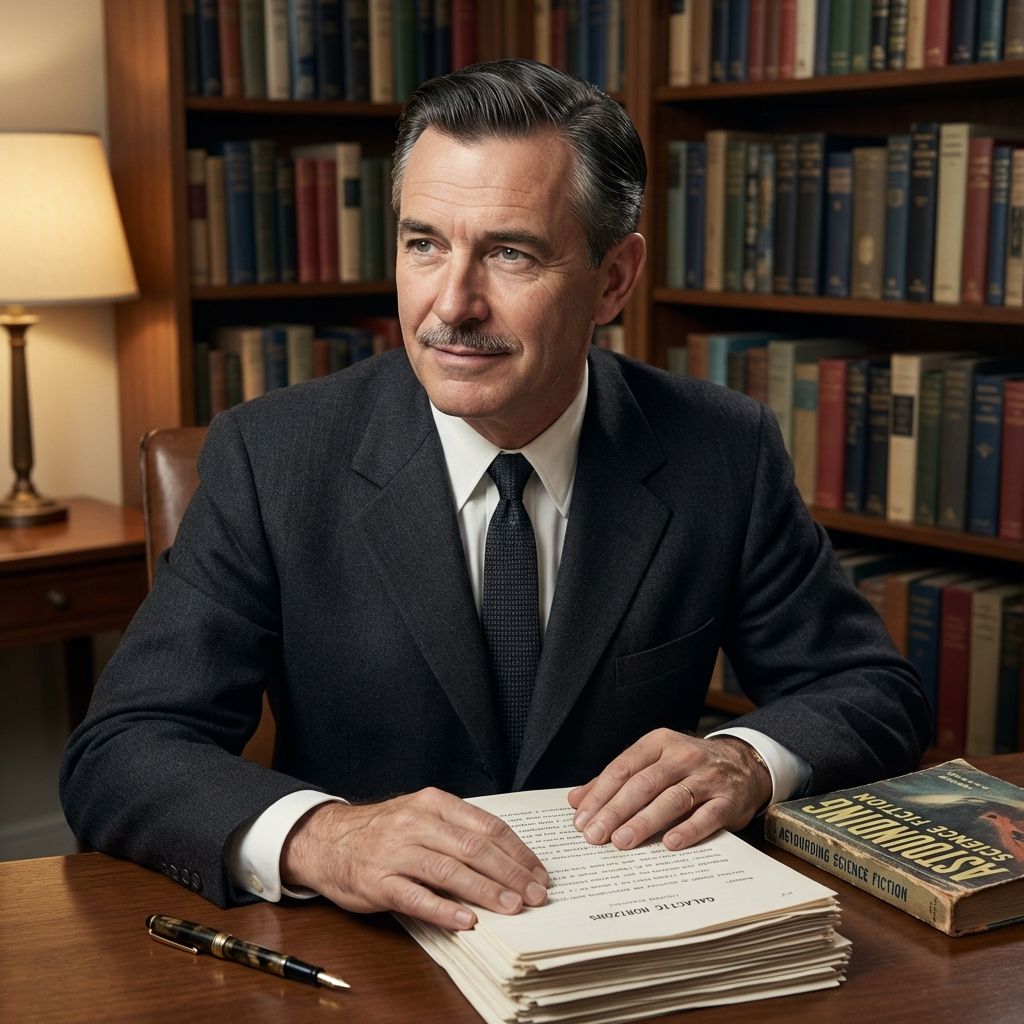
Education is a kind of continuing dialogue, and a dialogue assumes different points of view.
About This Quote

Robert M. Hutchins (1899–1977), longtime president of the University of Chicago and later a leading figure in the Great Books movement, repeatedly argued that liberal education is not mere training but an ongoing conversation about enduring questions. The remark fits his mid‑20th‑century critiques of vocationalism and educational “information transfer,” and his defense of discussion-based learning grounded in classic texts and competing arguments. In that intellectual climate—marked by debates over general education curricula and the purpose of universities—Hutchins framed education as a living exchange among teachers, students, and traditions, where disagreement and plurality are not obstacles but essential conditions for learning.
Interpretation
The quote defines education as a “continuing dialogue,” emphasizing that learning is dynamic, unfinished, and participatory rather than a one-way delivery of facts. By adding that dialogue “assumes different points of view,” Hutchins makes pluralism central: understanding grows through encountering alternatives, testing reasons, and revising one’s position. The line also implies an ethical and civic dimension—education should cultivate the capacity to listen, argue, and tolerate disagreement. In Hutchins’s broader educational philosophy, this dialogic model aligns with seminar discussion and engagement with great works, where the goal is not consensus or credentialing but disciplined inquiry into truth, justice, and the good life.