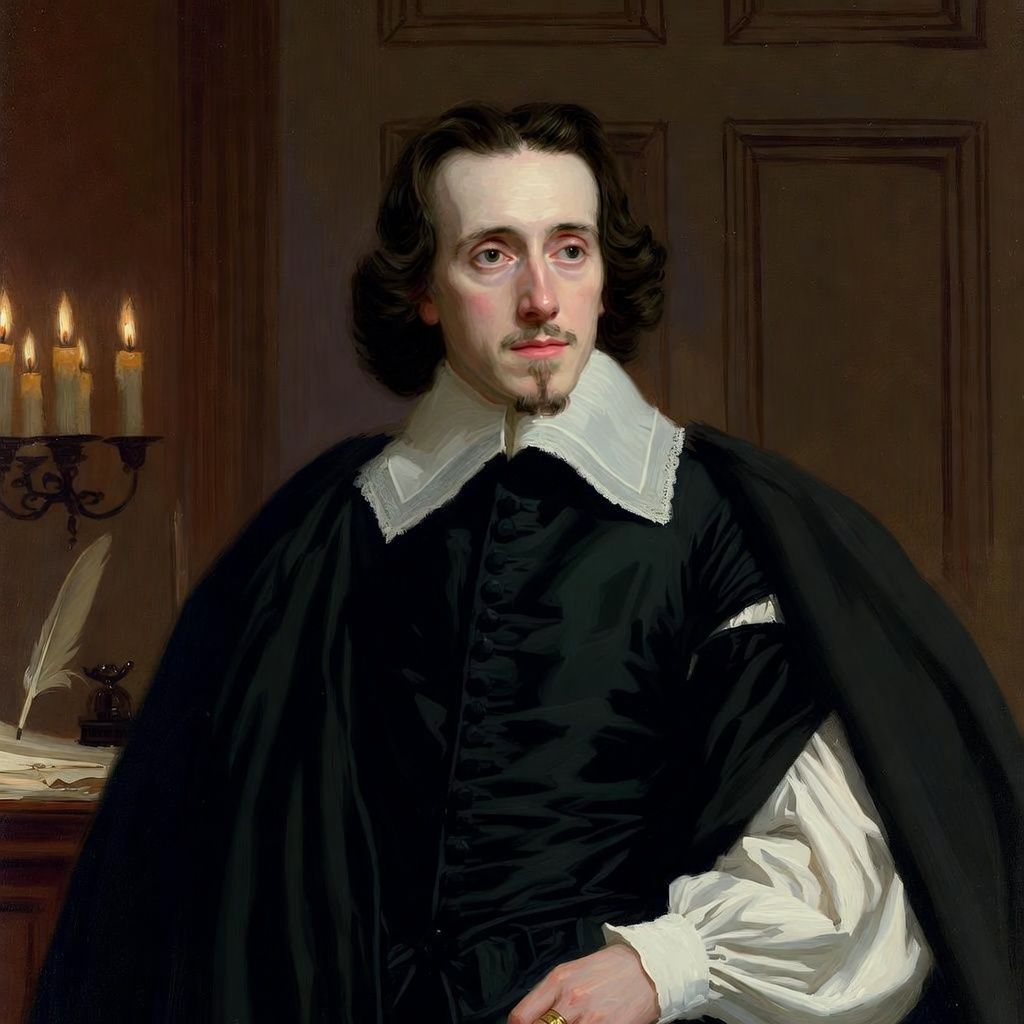
Self-love is the greatest of all flatterers.
About This Quote

François de La Rochefoucauld (1613–1680), a French aristocrat associated with the salon culture of 17th‑century Paris, distilled his observations of courtly behavior and human motivation into brief maxims. His most famous collection, the "Réflexions ou sentences et maximes morales" (commonly "Maximes"), appeared in 1665 and was revised in later editions. The line about self-love reflects his recurring theme that "amour-propre" (self-regard) subtly governs conduct, especially in environments where reputation, favor, and social performance encourage people to rationalize their actions and flatter themselves about their virtue.
Interpretation
The maxim suggests that the most persuasive flattery does not come from others but from within: self-love continually tells us what we want to believe about ourselves. La Rochefoucauld implies that this inner bias is more constant and effective than external praise, because it shapes perception, excuses faults, and recasts self-interest as principle. The sting of the aphorism is its moral skepticism: even apparent humility or altruism may be guided by a desire to maintain a pleasing self-image. The quote’s significance lies in its psychological acuity—anticipating later accounts of self-deception and motivated reasoning—while also serving as a warning to distrust our own narratives of virtue.
Variations
French original commonly given as: « L’amour-propre est le plus grand de tous les flatteurs. »
Source
François de La Rochefoucauld, Réflexions ou sentences et maximes morales (Maximes), maxim on “amour-propre” commonly translated as “Self-love is the greatest of all flatterers.”