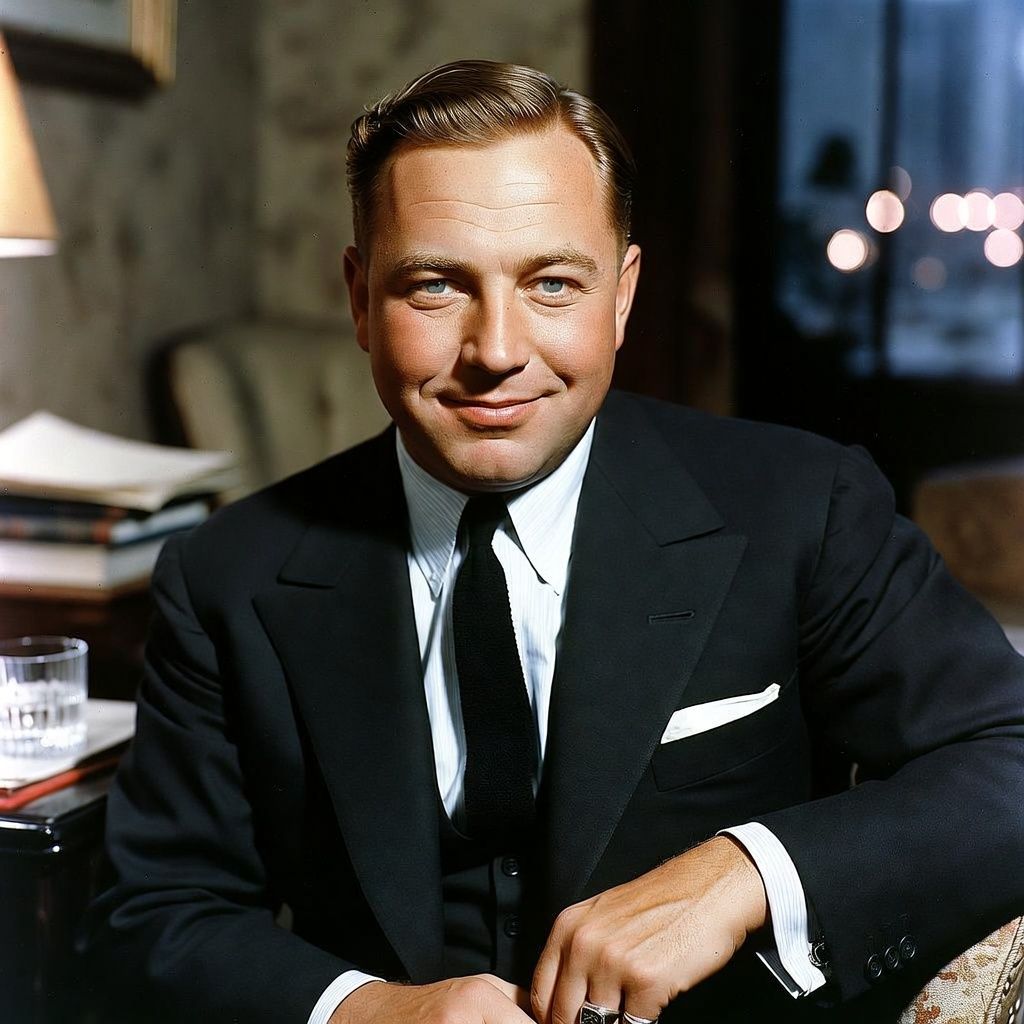
The test of a first-rate intelligence is the ability to hold two opposed ideas in the mind at the same time, and still retain the ability to function. One should, for example, be able to see that things are hopeless and yet be determined to make them otherwise.
About This Quote

F. Scott Fitzgerald formulated this remark in the early 1930s, during a period of personal and professional strain marked by the Great Depression, his own declining health, and Zelda Fitzgerald’s long hospitalization. The line appears in his essay “The Crack-Up,” a reflective piece in which he anatomizes emotional exhaustion, disillusionment, and the effort to keep working despite a sense of inner collapse. In that setting, the “first-rate intelligence” is not academic brilliance but a hard-won psychological and moral capacity: to acknowledge bleak realities without surrendering agency or the ability to act.
Interpretation
The quote defines maturity of mind as the ability to sustain contradiction without paralysis. Fitzgerald suggests that genuine intelligence includes emotional and practical resilience: one can recognize that circumstances may be “hopeless” (socially, personally, historically) while still choosing purposeful action. The example—seeing hopelessness yet being determined to change outcomes—captures a tension between clear-eyed realism and stubborn will. Rather than advocating naïve optimism, the line argues for a disciplined doubleness: to think honestly about limits and failure, yet continue to function, create, and strive as if change remains possible.
Variations
1) “The test of a first-rate intelligence is the ability to hold two opposed ideas in mind at the same time and still retain the ability to function.”
2) “One should, for example, be able to see that things are hopeless and yet be determined to make them otherwise.”
3) “The test of a first-rate intelligence is the ability to hold two opposed ideas in the mind at the same time, and still retain the ability to function.”
Source
F. Scott Fitzgerald, “The Crack-Up,” Esquire (February 1936).