All work and no play makes Jack a dull boy.
About This Quote

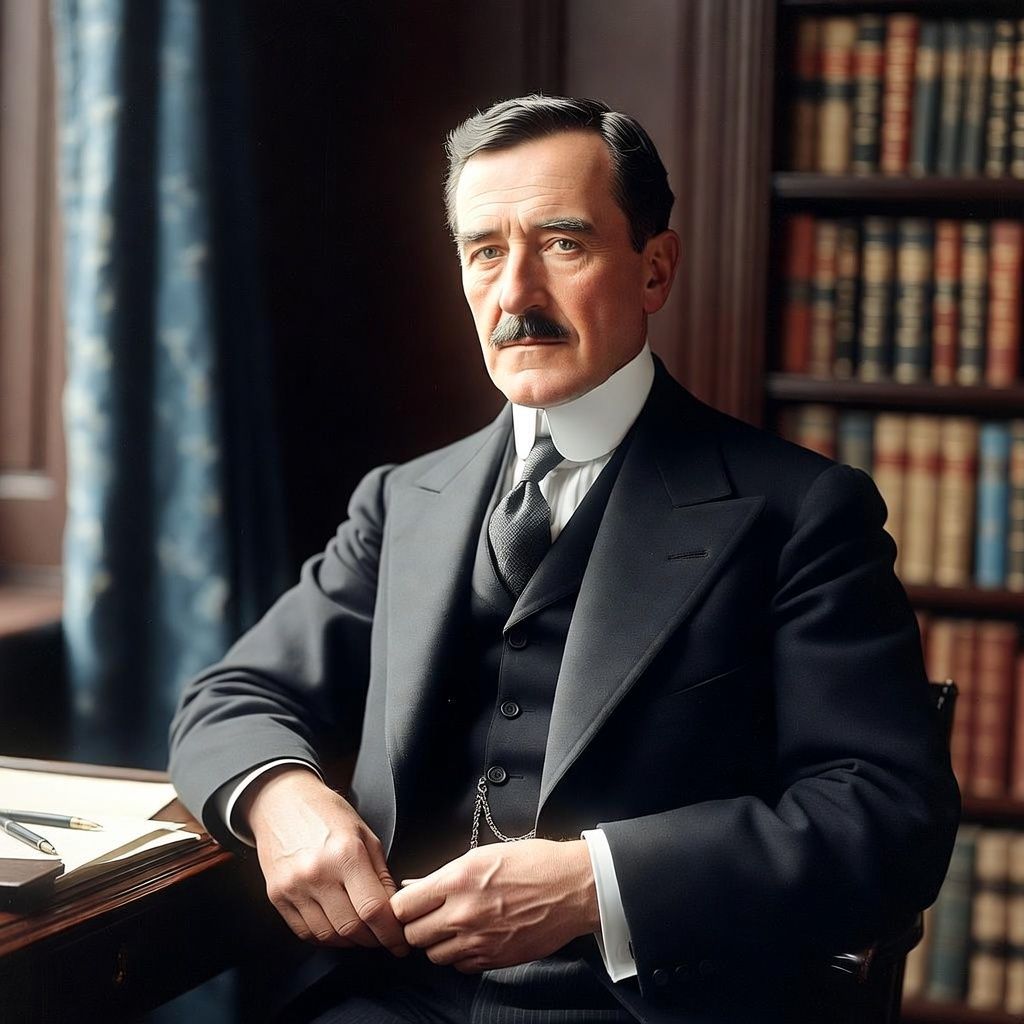
The proverb is commonly credited in print to the Welsh-born writer and letter-writer James Howell (c. 1594–1666). It appears in his collection of sayings and observations, where Howell gathered and glossed English proverbs for a seventeenth-century readership. In that milieu—marked by moral instruction, household governance, and emerging ideas about education—the line functions as a caution against relentless labor or study without recreation. Howell’s work helped circulate such maxims in a relatively fixed form, contributing to the proverb’s later popularity in English-speaking culture as advice about balancing diligence with leisure.
Interpretation
The saying argues that continuous work, without restorative leisure, diminishes a person’s sharpness and spirit. “Jack” is a generic everyman rather than a specific individual, so the warning applies broadly: monotony and overexertion can blunt curiosity, creativity, and good judgment. The proverb’s endurance reflects a practical psychology—humans need variation, play, and rest to remain effective. It also carries a social critique: a culture that prizes ceaseless productivity risks producing not excellence but dullness. In modern terms, it anticipates ideas about burnout and the cognitive benefits of breaks and recreation.
Variations
["All work and no play makes Jack a dull boy; all play and no work makes Jack a mere toy.", "All work and no play makes Jack a dull boy; all play and no work makes Jack a dull boy.", "All work and no play makes Jack a dull boy; all play and no work makes Jack a poor boy."]