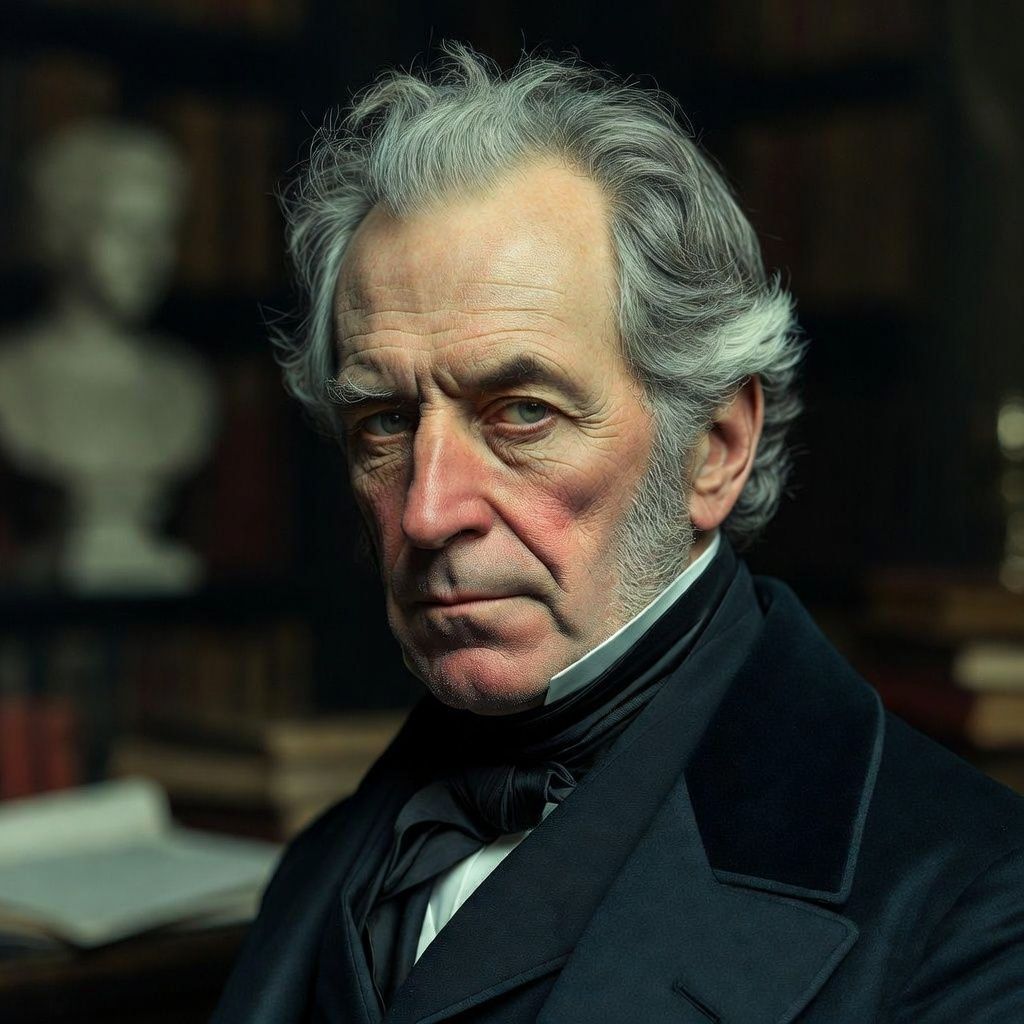
When all the world is young, lad,
And all the trees are green;
And every goose a swan, lad,
And every lass a queen;
Then hey for boot and horse, lad,
And round the world away:
Young blood must have its course, lad,
And every dog his day.
And all the trees are green;
And every goose a swan, lad,
And every lass a queen;
Then hey for boot and horse, lad,
And round the world away:
Young blood must have its course, lad,
And every dog his day.
About This Quote

These lines come from Charles Kingsley’s poem “Young and Old,” a lyric that contrasts the buoyant restlessness of youth with the soberer, more settled outlook of age. Kingsley (1819–1875)—an Anglican clergyman, novelist, and poet associated with Victorian social reform—often wrote in a ballad-like idiom that could be sung or recited, and he frequently treated themes of vigor, travel, and moral testing. In “Young and Old,” the speaker addresses a “lad,” evoking the springtime of life (“all the trees are green”) and the youthful impulse to roam (“boot and horse… round the world away”), before the poem turns to the later season when such illusions and energies have cooled.
Interpretation
The stanza idealizes youth as a time when perception is enchanted: ordinary things appear transfigured (“every goose a swan,” “every lass a queen”). That heightened vision fuels a desire for motion and adventure—“boot and horse” suggesting readiness to set out at once. Yet the refrain-like moral, “Young blood must have its course,” treats this wanderlust as natural rather than blameworthy, while “every dog his day” adds a proverbial reminder that each life-stage has its allotted moment. The tone is affectionate and slightly wistful: it celebrates youthful ardor while implying it is temporary, part of a larger cycle in which exuberance will eventually yield to experience.
Source
Charles Kingsley, “Young and Old” (poem).