Write quickly and you will never write well; write well, and you will soon write quickly.
About This Quote
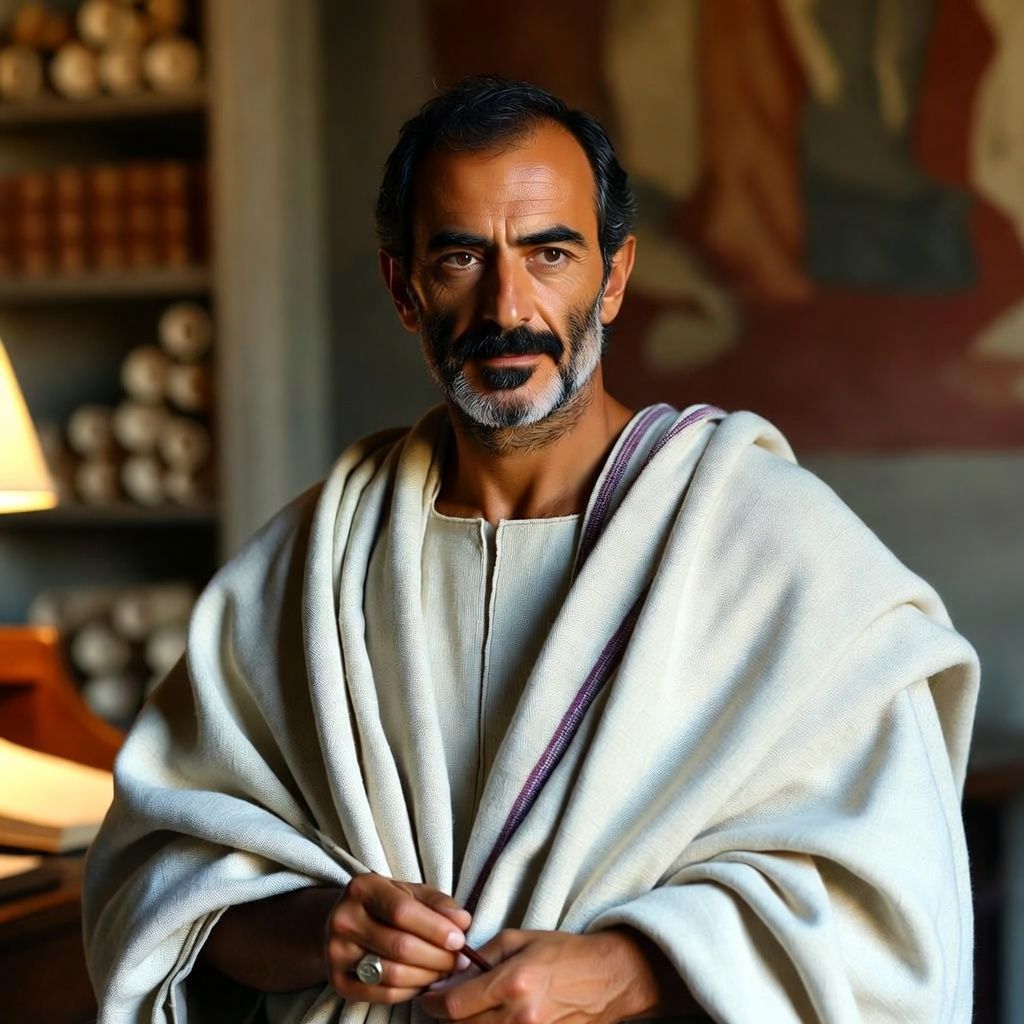
Marcus Fabius Quintilianus (c. 35–c. 100 CE), Rome’s most influential teacher of rhetoric, wrote extensively on how to train an orator and writer in his *Institutio Oratoria*. In discussing composition and style, Quintilian warns students against chasing speed at the expense of correctness and clarity. He argues that fluency is the product of disciplined practice: careful drafting, attention to language, and revision build habits that eventually make good writing faster and more natural. The sentiment reflects Roman rhetorical pedagogy, which prized *cura* (care) and *diligentia* (diligence) as the foundation for persuasive, elegant expression.
Interpretation
The maxim reverses a common beginner’s impulse: trying to write fast to appear productive. Quintilian suggests that speed pursued directly produces sloppy work, while quality pursued first creates genuine efficiency. “Write well” implies mastering fundamentals—structure, diction, argument, and rhythm—through deliberate practice and revision. Once those skills become habitual, the writer can compose quickly without sacrificing standards. The quote also carries an ethical dimension typical of Quintilian: good writing is not merely a technical feat but a disciplined craft. In modern terms, it anticipates the idea that competence precedes velocity: accuracy and method create sustainable productivity.