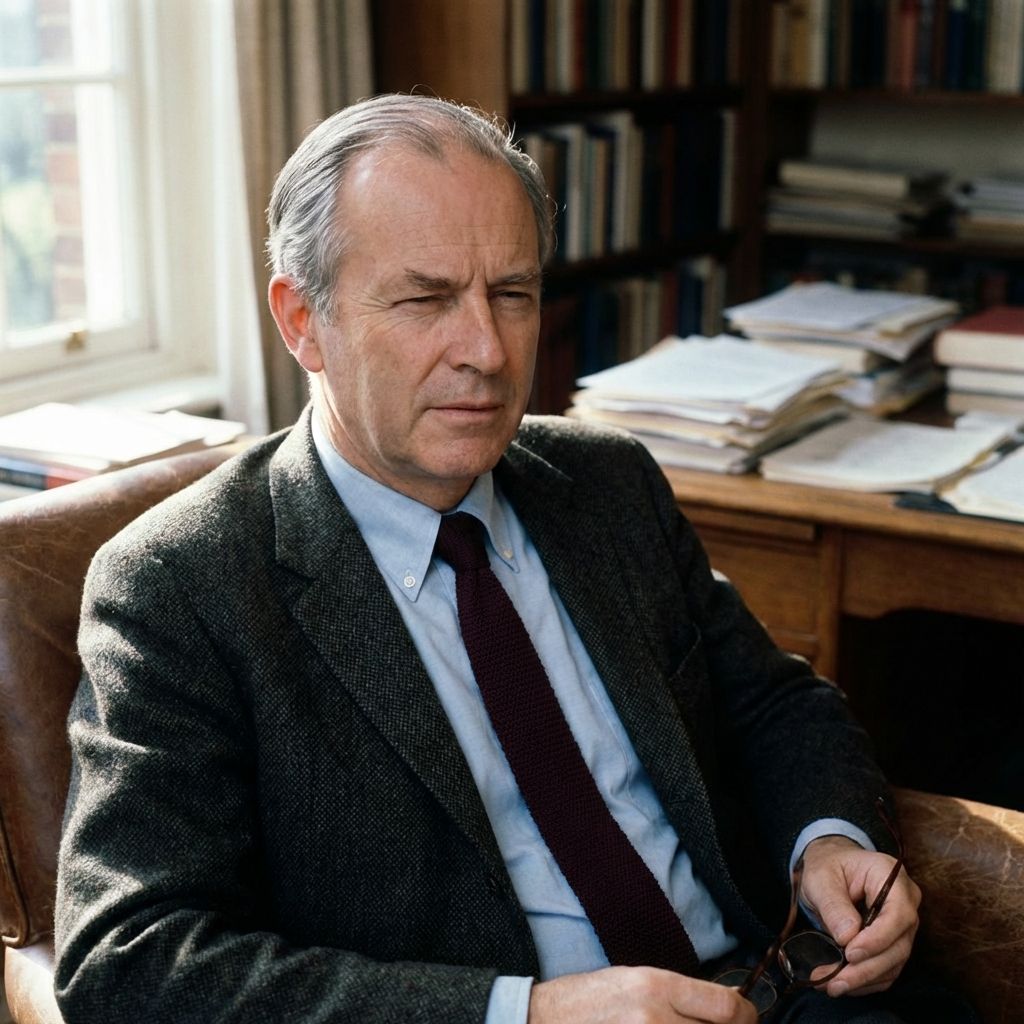
When I was a boy and I would see scary things in the news, my mother would say to me, "Look for the helpers. You will always find people who are helping.”
About This Quote

Fred Rogers (1928–2003), the creator and host of the long-running PBS program Mister Rogers’ Neighborhood, often spoke about helping children cope with frightening news and public tragedies. The “look for the helpers” line is presented as advice he received from his mother when he was young and saw alarming events reported in the media. Rogers later repeated the story in interviews and public remarks as a practical way to reframe fear: in moments of crisis, notice the ordinary people—neighbors, first responders, volunteers—who move toward danger to assist others. The quote has been widely circulated in the wake of disasters and acts of violence as a consoling, child-centered heuristic.
Interpretation
The quote offers a method for managing anxiety without denying reality. Rogers acknowledges that “scary things” exist, but he shifts attention from spectacle and harm to human response—care, solidarity, and competence. “Helpers” functions both literally (those providing aid) and morally (a model for how to act). The line also implies an ethical education: if you train yourself to look for helpers, you may become one. Its enduring appeal lies in its balance of honesty and hope, suggesting that even amid catastrophe, compassion is reliably present and can be witnessed, counted, and joined.
Variations
1) “Look for the helpers. You will always find people who are helping.”
2) “My mother would say, ‘Look for the helpers. There will always be helpers.’”
3) “When I see scary things in the news, I think of my mother’s words: ‘Look for the helpers.’”