There may be trouble ahead,
But while there’s moonlight and music
And love and romance,
Let’s face the music and dance.
But while there’s moonlight and music
And love and romance,
Let’s face the music and dance.
About This Quote
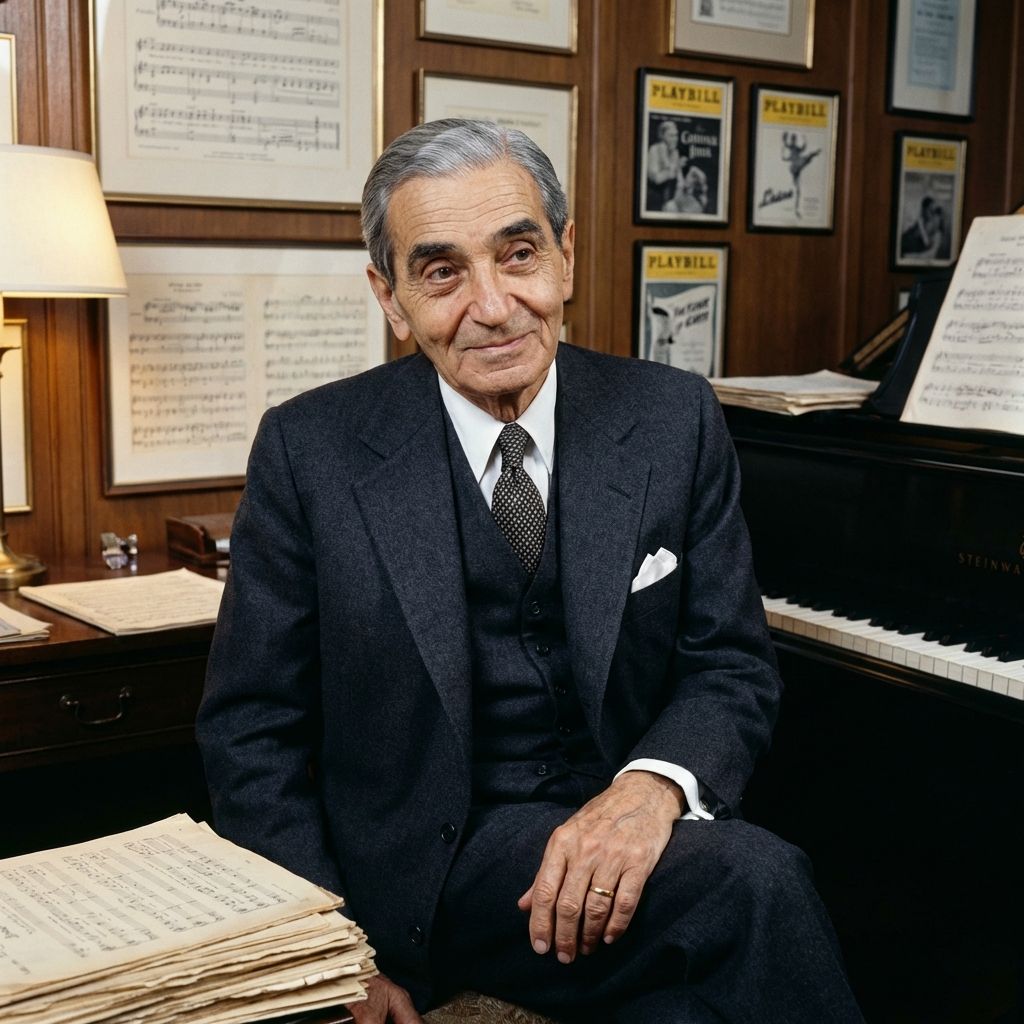
These lines are from Irving Berlin’s song “Let’s Face the Music and Dance,” written for the RKO film musical *Follow the Fleet* (1936), where it was introduced by Fred Astaire (with Ginger Rogers as his partner in the film’s celebrated dance sequence). Berlin wrote the number in the midst of the Great Depression era, when Hollywood musicals often offered audiences buoyant escapism. The lyric acknowledges looming hardship (“trouble ahead”) but pivots to a resolve to embrace joy and intimacy in the present—an attitude that resonated strongly with 1930s popular culture and helped make the song a standard.
Interpretation
The speaker balances realism and optimism: danger and uncertainty are not denied, but they are not allowed to paralyze living. “Face the music” typically means accept consequences; Berlin cleverly couples that idiom with “and dance,” transforming sober acceptance into an active, even elegant response. Moonlight, music, love, and romance stand for fleeting but genuine consolations—art, companionship, and pleasure—that can be chosen despite external instability. The quote’s enduring appeal lies in this poised defiance: it proposes not naïve cheerfulness, but a deliberate decision to meet adversity with grace and vitality.
Source
Irving Berlin, “Let’s Face the Music and Dance,” written for the RKO film *Follow the Fleet* (1936).