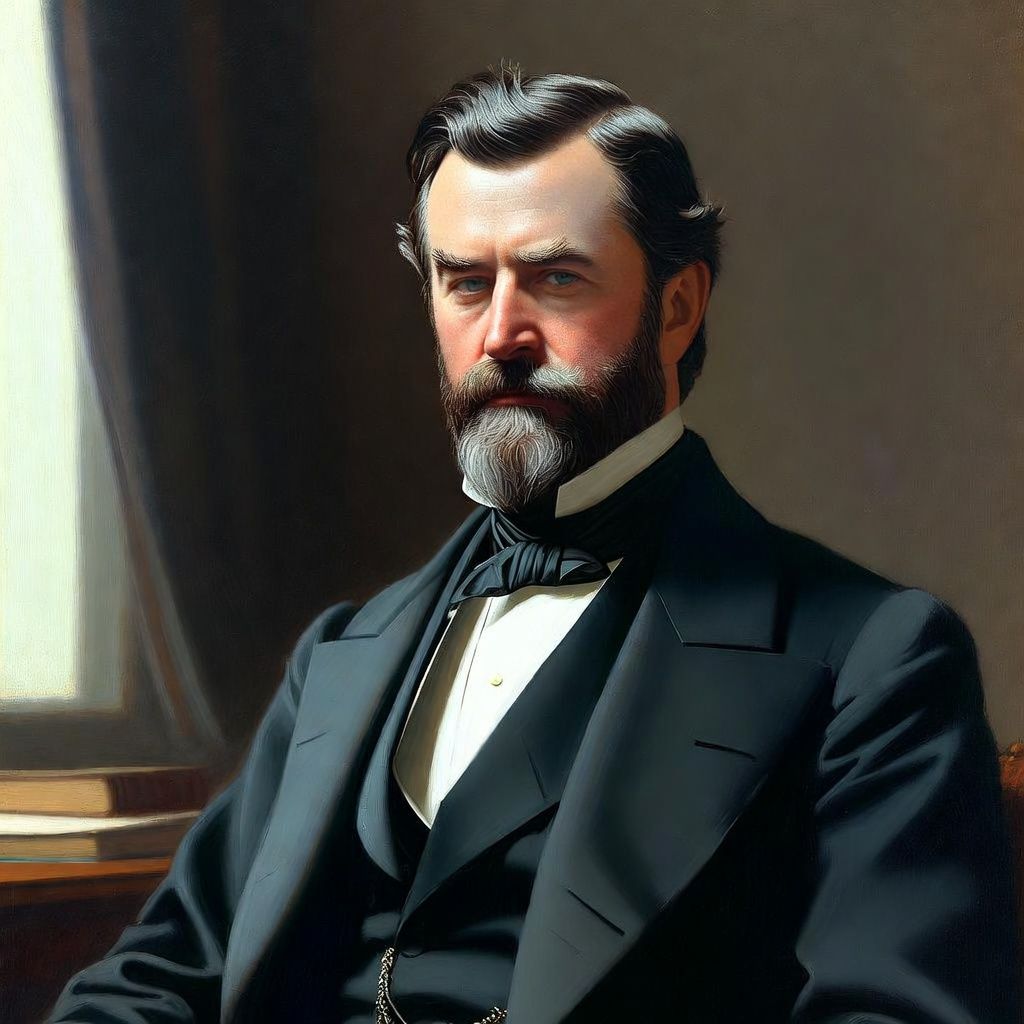
All things are difficult before they are easy.
About This Quote

Thomas Fuller (1608–1661), an English clergyman and prolific writer, is best known for his collections of aphorisms and moral observations published during the turbulent mid‑17th century (Civil War, Interregnum, Restoration). The saying “All things are difficult before they are easy” fits the didactic, practical tone of his commonplace-style works, which distill experience into memorable maxims about character, learning, and perseverance. It reflects the period’s emphasis on discipline and habituation: skills are acquired through repeated practice until what once required effort becomes second nature. The line is frequently quoted as one of Fuller’s characteristic proverbs, even when modern reprints omit its original surrounding entry.
Interpretation
The maxim observes a common pattern in learning and labor: initial attempts feel hard because we lack familiarity, technique, and confidence, but sustained practice reduces friction. Fuller’s phrasing compresses a philosophy of perseverance into a simple temporal contrast—“before” and “after”—implying that difficulty is not a verdict on our ability but a stage in the process. It also carries a quiet moral encouragement: patience and repetition transform obstacles into routine. In a broader sense, the quote suggests that mastery is largely the accumulation of small improvements, and that discouragement at the outset mistakes the normal beginning of any craft for a permanent condition.