The tygers of wrath are wiser than the horses of instruction.
About This Quote
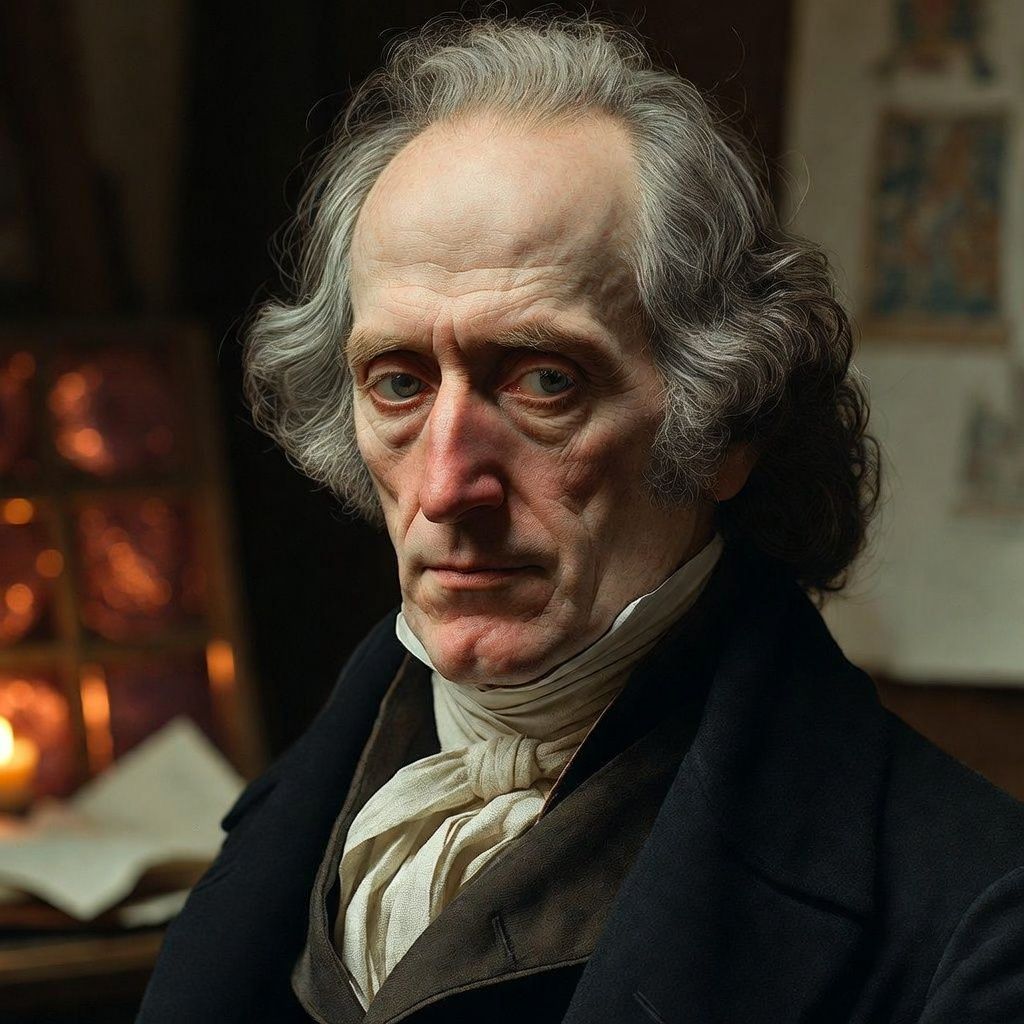
This aphorism appears in William Blake’s “Proverbs of Hell,” a section of his illuminated book The Marriage of Heaven and Hell (composed and printed c. 1790–1793). Written in the aftermath of the American and French Revolutions and amid Blake’s hostility to moralistic repression, the work overturns conventional Christian binaries of “good” and “evil.” In the “Proverbs,” Blake adopts a deliberately shocking, paradoxical voice—associating energy, desire, and even “wrath” with creative vitality—while mocking timid rationalism and didactic moral “instruction.” The proverb’s archaic spelling (“tygers”) reflects Blake’s original text and his taste for biblical and prophetic diction.
Interpretation
Blake contrasts two kinds of knowledge: the fierce, instinctive “wisdom” of lived passion (“tygers of wrath”) versus the tame, compliant learning of social and moral training (“horses of instruction”). The tiger suggests untamed energy, danger, and intensity—qualities Blake often links to imagination and creative power—while the horse evokes disciplined usefulness and obedience. The proverb argues that raw, even angry vitality can perceive truths that cautious pedagogy and conventional morality miss. It is not simply a celebration of violence; rather, it is a critique of repression and a defense of the generative force Blake calls “Energy,” insisting that genuine insight may come from confronting experience directly rather than submitting to safe, inherited rules.
Source
William Blake, The Marriage of Heaven and Hell, “Proverbs of Hell” (c. 1790–1793).