My wish is that we design the future of learning. We don't want to be spare parts for a great human computer.
About This Quote
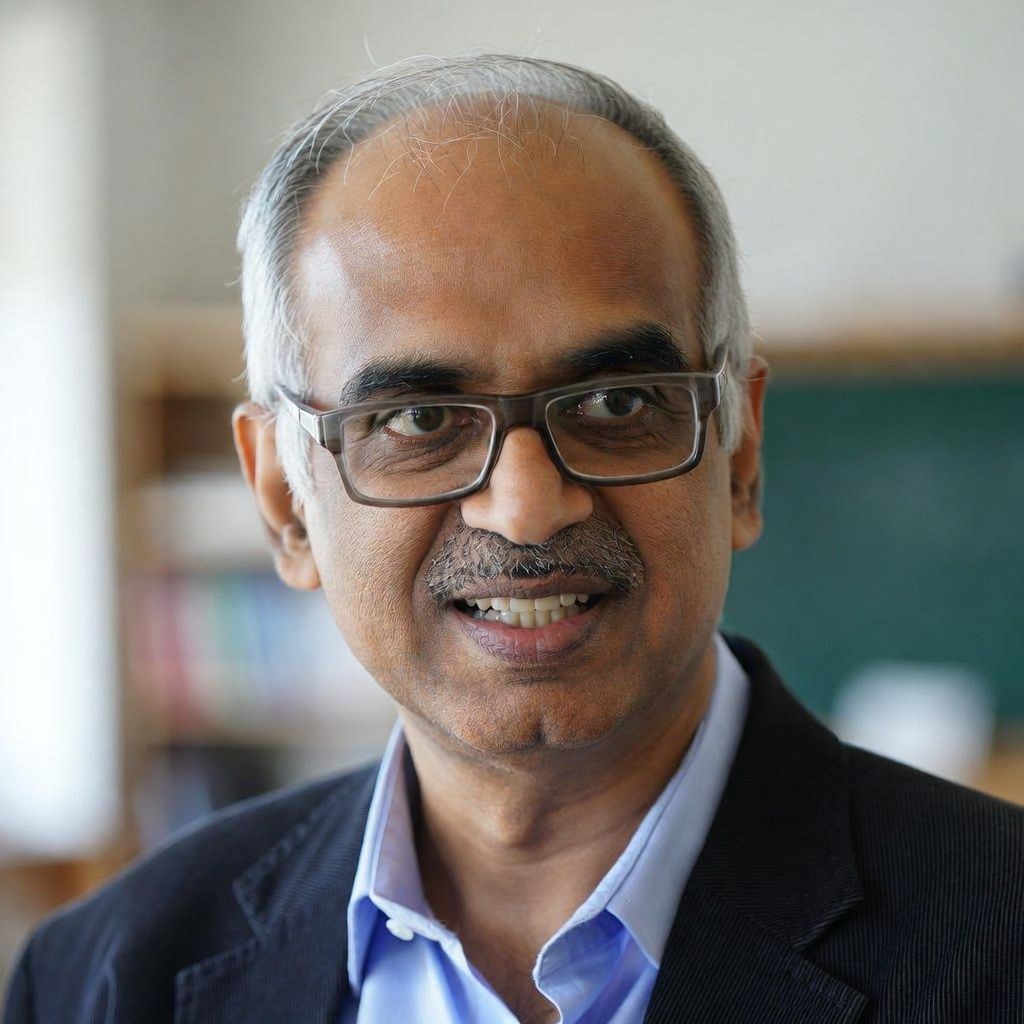
Sugata Mitra, known for the “Hole in the Wall” experiments and his advocacy of self-organized learning, has used this line in talks and interviews critiquing industrial-era schooling. The remark is typically framed against a future in which routine cognitive tasks are increasingly automated and networked, making education aimed at producing compliant, standardized workers obsolete. In that setting, Mitra argues for redesigning learning around curiosity, collaboration, and the ability to ask good questions—capacities less easily replaced by machines—rather than training students to function as interchangeable components in a larger computational system.
Interpretation
The quote contrasts two visions of education: one that treats learners as “spare parts” in a mechanized, algorithmic society, and another that empowers them to shape how learning evolves. Mitra’s “great human computer” metaphor evokes schooling as a system optimized for predictable inputs and outputs—memorization, compliance, and test performance—mirroring how computers process tasks. His wish is for an education that anticipates technological change by emphasizing creativity, judgment, and self-directed inquiry. The underlying claim is ethical as well as practical: education should cultivate agency and human flourishing, not merely supply labor to an impersonal machine-like economy.