In a word I claim that our city as a whole is an education to Greece.
About This Quote
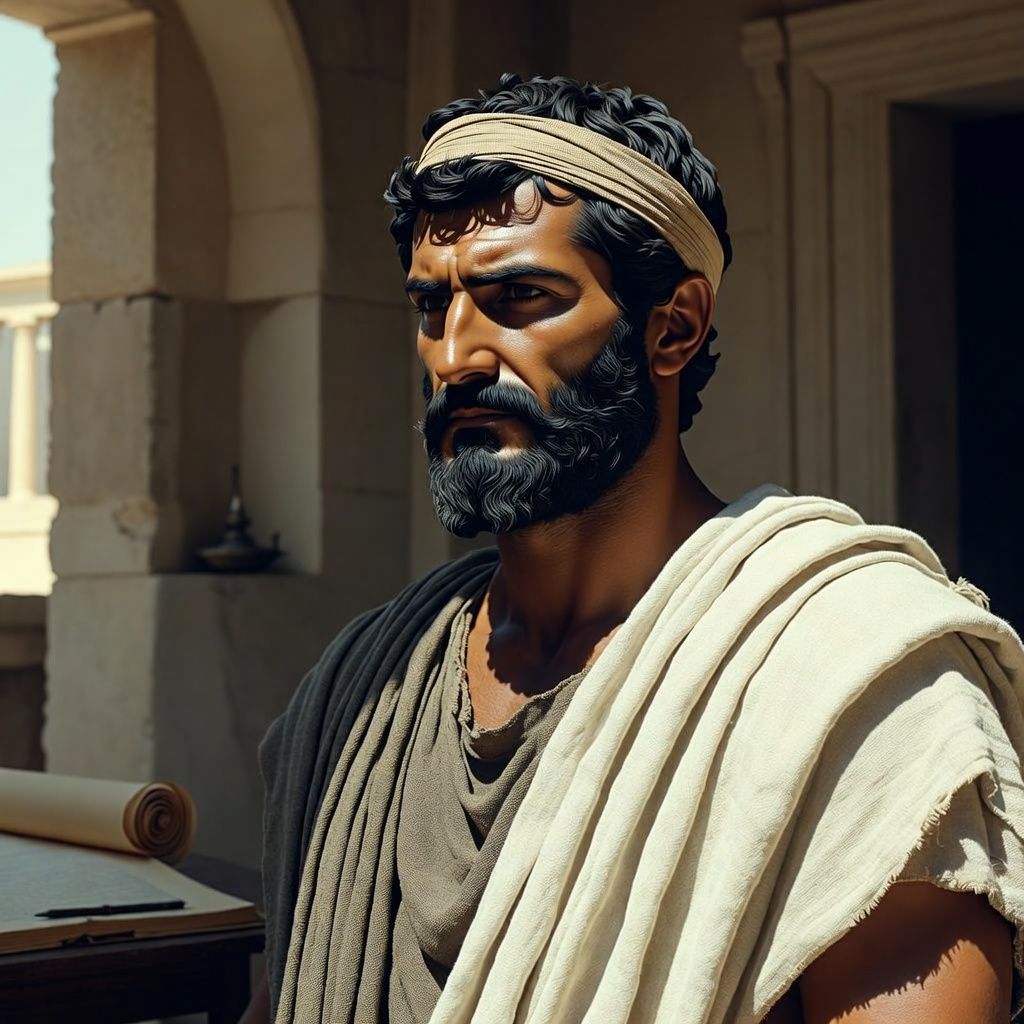
The line occurs in Thucydides’ account of Pericles’ Funeral Oration, delivered early in the Peloponnesian War (431 BCE) to honor the first Athenian war dead. Thucydides presents Pericles using the occasion not only to praise the fallen but to articulate an idealized self-portrait of Athens—its democracy, civic participation, cultural refinement, and military readiness. In this rhetorical setting, Athens is contrasted implicitly with rivals such as Sparta: where others rely on austerity and rigid training, Athens claims to cultivate excellence through freedom, public life, and openness. The phrase encapsulates the oration’s larger claim that Athens’ way of life is exemplary for the Greek world.
Interpretation
Pericles’ claim that Athens is “an education to Greece” asserts that the city functions as a living model from which others can learn. “Education” here is not mere schooling but the formation of character and civic capacity: Athenians, he argues, develop versatility—combining private enjoyment, public responsibility, intellectual curiosity, and martial competence. The statement is both celebratory and propagandistic, turning civic identity into a moral lesson and justifying Athens’ leadership. In Thucydides’ larger history, the line also carries an ironic edge: the lofty ideal of Athens as teacher stands in tension with the war’s brutal realities and the later unraveling of Athenian power.
Source
Thucydides, History of the Peloponnesian War, Book II, Pericles’ Funeral Oration (commonly cited as 2.41).