Absence diminishes mediocre passions and increases great ones, as the wind blows out candles and fans fire.
About This Quote

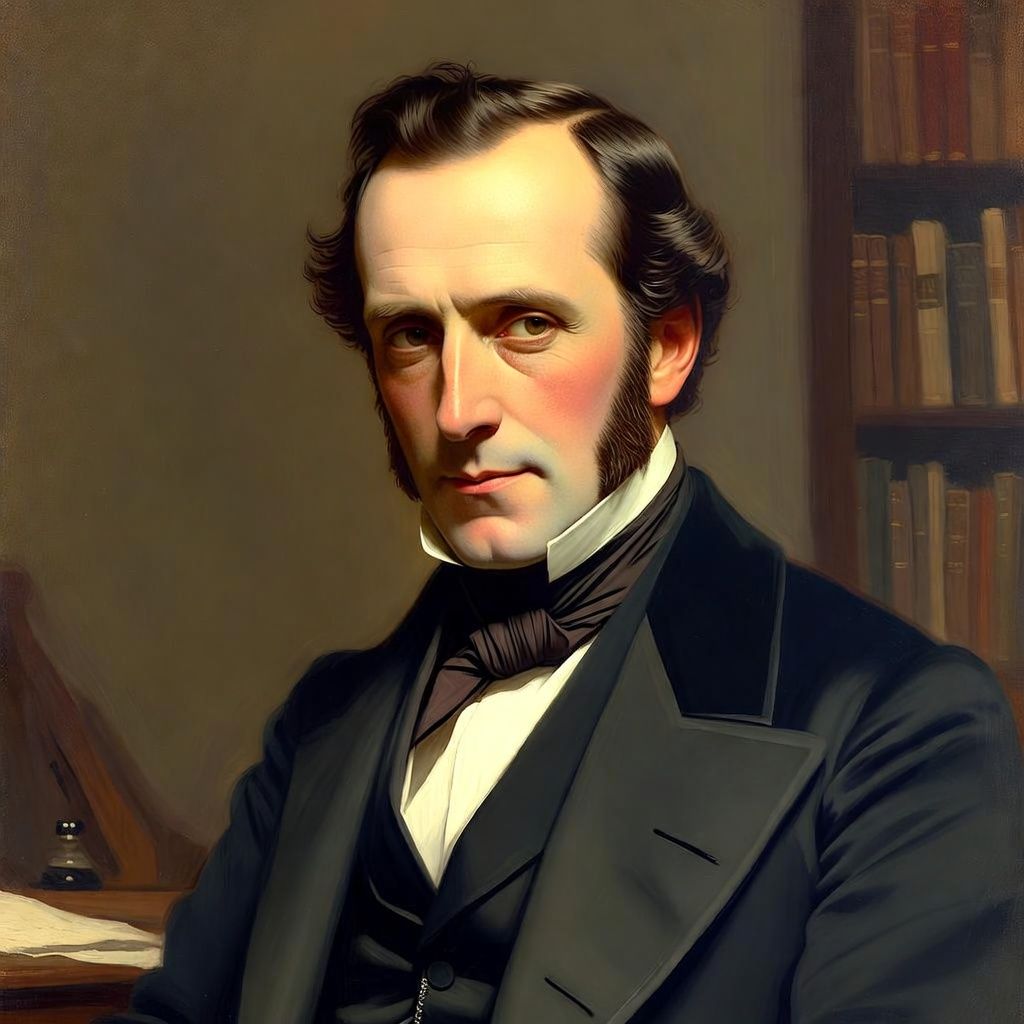
This maxim comes from François de La Rochefoucauld’s celebrated collection of moral reflections written in the milieu of 17th‑century French aristocratic society. A nobleman shaped by court politics, the Fronde civil conflicts, and the salon culture of Paris, La Rochefoucauld distilled observations about love, self-interest, and social behavior into brief, epigrammatic “maxims.” The thought reflects a common theme in his work: the testing of human motives under pressure. Here, physical separation becomes a kind of experiment that reveals whether an attachment is merely habitual or truly powerful, expressed through a vivid, memorable natural metaphor.
Interpretation
La Rochefoucauld argues that distance functions as a filter for emotion. Ordinary or shallow passions depend on proximity, routine, and immediate gratification; when those supports vanish, the feeling fades. By contrast, a “great” passion has an inner intensity that can survive deprivation and even grow through longing, idealization, and sustained desire. The wind-and-fire image sharpens the point: the same force that extinguishes a small flame can intensify a larger blaze. The maxim suggests that time apart is not neutral—it actively differentiates between the trivial and the profound, making absence a measure of emotional magnitude.
Source
François de La Rochefoucauld, "Réflexions ou sentences et maximes morales" (commonly "Maximes"), Maxim 76 (in many standard editions).