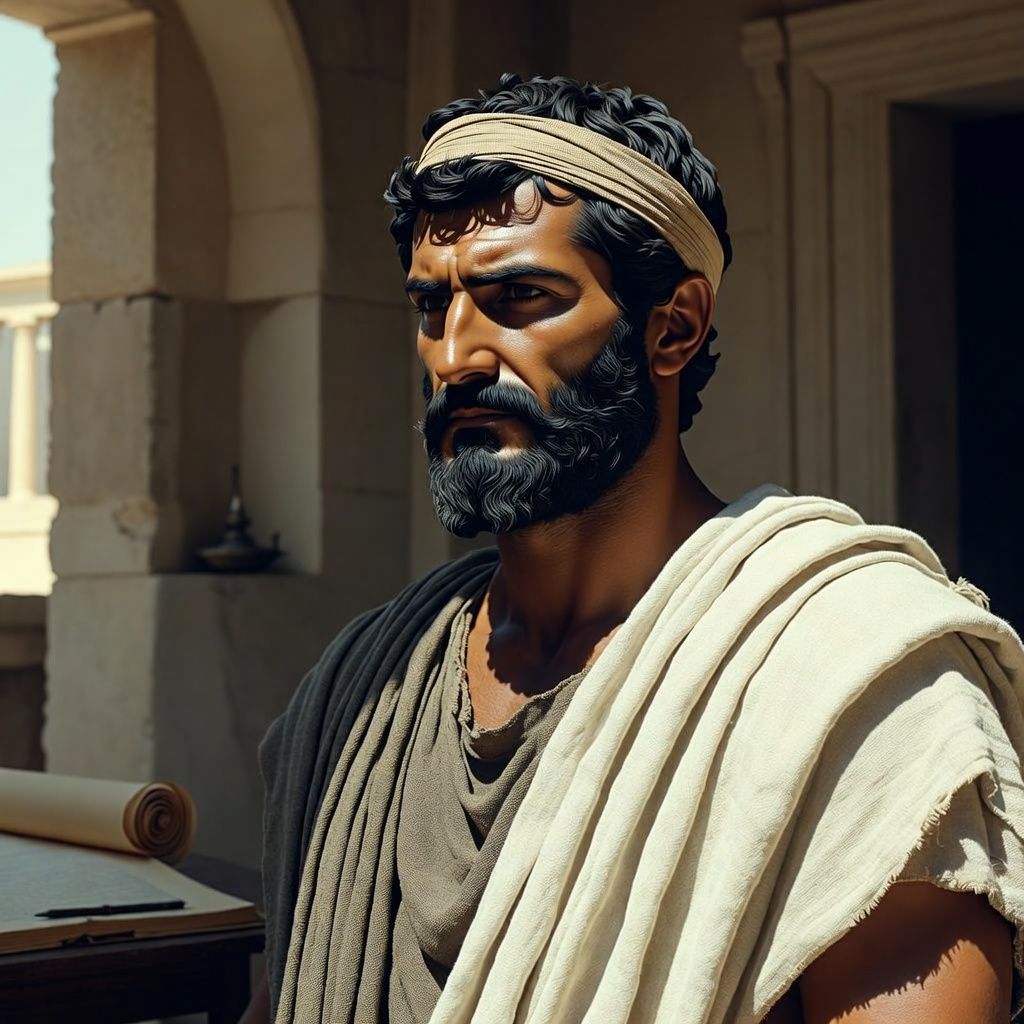
It is easier to judge the mind of a man by his questions rather than his answers.
About This Quote
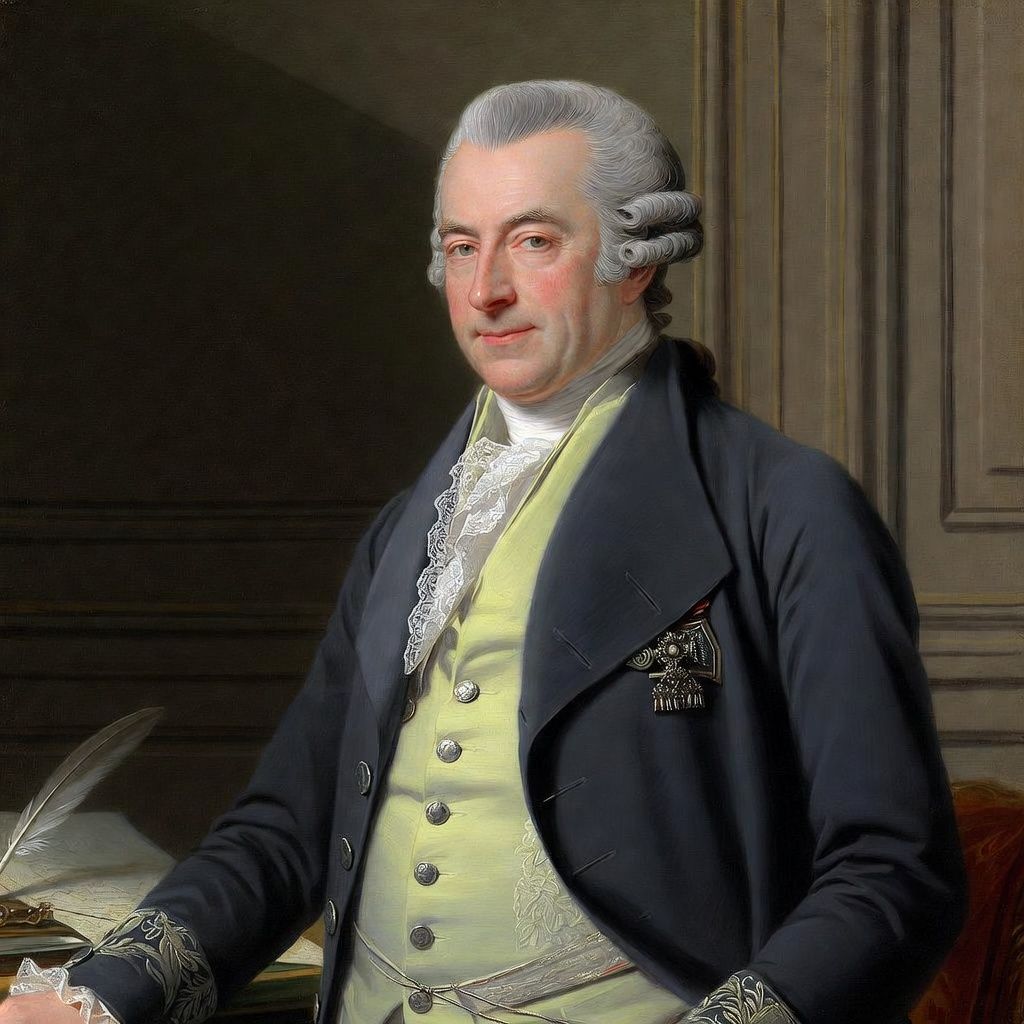
Pierre-Marc-Gaston de Lévis (1764–1830), a French moralist and aristocrat, is best known for his maxims and reflections composed in the late Enlightenment/early Revolutionary era and circulated in collections of pensées. The sentiment about judging a person by questions rather than answers fits the tradition of French moral writing that prizes discernment, conversation, and intellectual curiosity as markers of character. In salon culture and in the moralists’ genre, the quality of one’s inquiries—what one chooses to notice, doubt, or pursue—was often treated as a truer index of mind than polished replies, which can be rehearsed, socially strategic, or borrowed.
Interpretation
The maxim suggests that questions reveal the architecture of a person’s thinking: their priorities, assumptions, curiosity, and capacity for doubt. Answers can be performative—tailored to impress, to conform, or to conceal ignorance—whereas questions expose what someone genuinely wants to understand and how they frame problems. The quote also implies an epistemic humility: a strong mind is not merely one that asserts, but one that interrogates well. In practical terms, it elevates inquiry over rhetoric, implying that intellectual character is measured by the depth, precision, and openness of one’s questioning.