No pain, no palm; no thorns, no throne; no gall, no glory; no cross, no crown.
About This Quote

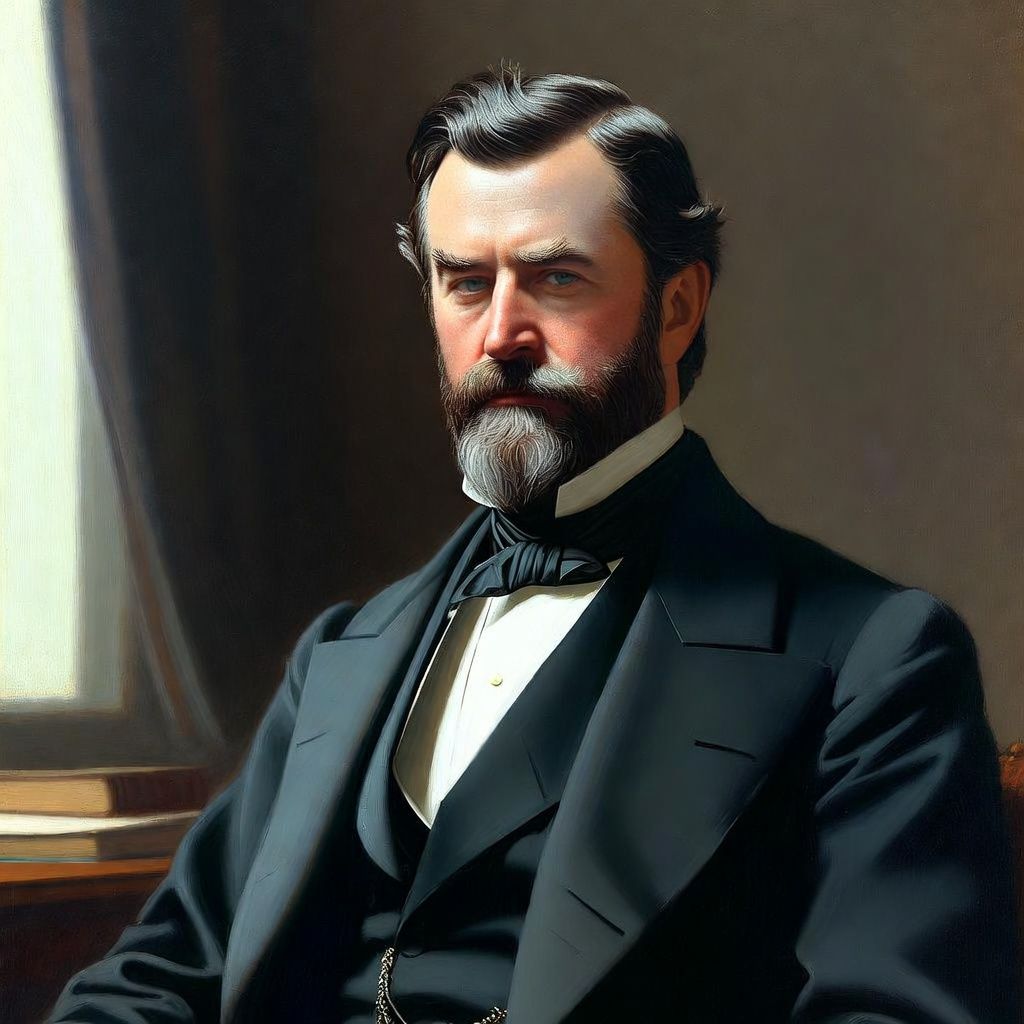
William Penn (1644–1718), the Quaker founder of Pennsylvania, wrote this aphoristic line in a devotional and moral treatise composed amid the pressures of persecution and imprisonment that English Quakers faced in the late seventeenth century. Penn’s writings repeatedly stress that spiritual maturity and true Christian joy are inseparable from discipline, self-denial, and patient endurance. The paired images—palm and throne (symbols of victory and reward), thorns and gall (suffering), and especially the cross and crown—draw on biblical and early Christian motifs to frame hardship as the necessary path to spiritual triumph.
Interpretation
The quote argues that meaningful reward is not attainable without suffering or sacrifice. Each balanced clause links an emblem of pain to an emblem of honor: the palm of victory follows struggle; a throne presupposes thorns; glory is preceded by bitterness (“gall”); and the crown of salvation comes only through the cross of trial. Penn’s rhetoric compresses a Christian theology of redemptive suffering into memorable parallelism, urging readers to accept hardship as formative rather than meaningless. More broadly, it functions as a moral maxim: achievement, virtue, and lasting joy require endurance, restraint, and willingness to bear costs.
Variations
1) “No cross, no crown.”
2) “No pain, no palm; no thorns, no throne; no gall, no glory; no cross, no crown.” (often quoted as the full maxim)
3) “No cross, no crown: no thorns, no throne.”
Source
William Penn, No Cross, No Crown (1682), Part I (often printed as “No Cross, No Crown: A Discourse Showing the Nature and Discipline of the Holy Cross of Christ”).