The passions are like fire, useful in a thousand ways and dangerous only in one, through their excess.
About This Quote

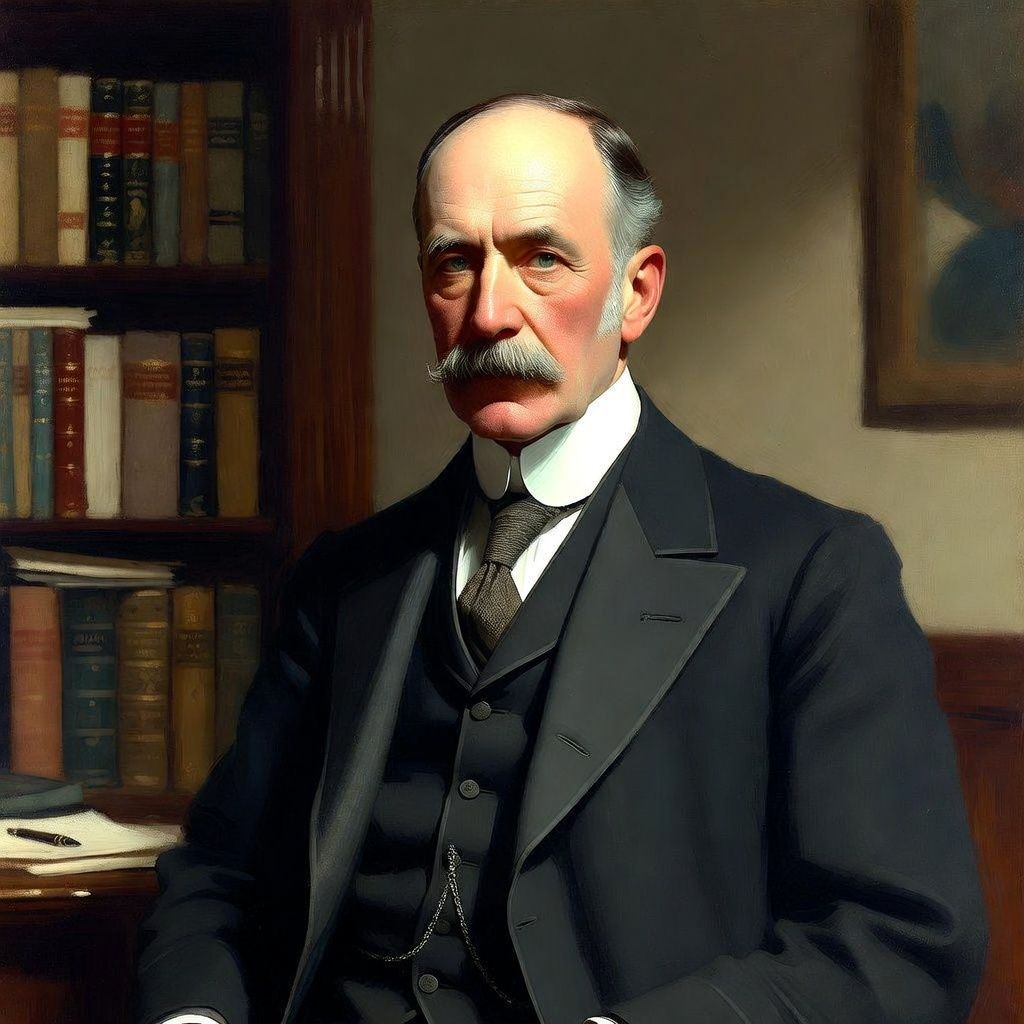
Christian Nestell Bovee (1820–1904) was an American writer best known for compiling aphorisms and moral reflections in the Victorian tradition. This saying belongs to the 19th‑century habit of comparing inner life to natural forces—especially fire—to argue for moderation rather than suppression. Bovee’s work often treats character, self-command, and the disciplined use of human faculties as the basis of happiness and social harmony. The line reflects a period when “passions” commonly meant strong emotions and appetites (anger, desire, ambition) viewed as potentially constructive energies if governed by reason and habit.
Interpretation
The quote argues that passion is not inherently bad: like fire, it is a powerful tool that can warm, illuminate, and drive action. Its danger lies chiefly in excess—when intensity outruns judgment and proportion. Bovee’s analogy implies a practical ethic of regulation: the goal is not to extinguish passion but to contain it, channel it, and keep it within bounds where it serves human purposes. The line also suggests a broader moral psychology: virtues often consist less in lacking strong impulses than in mastering them, turning volatile energy into productive force.