The only true wisdom is knowing that you know nothing.
About This Quote
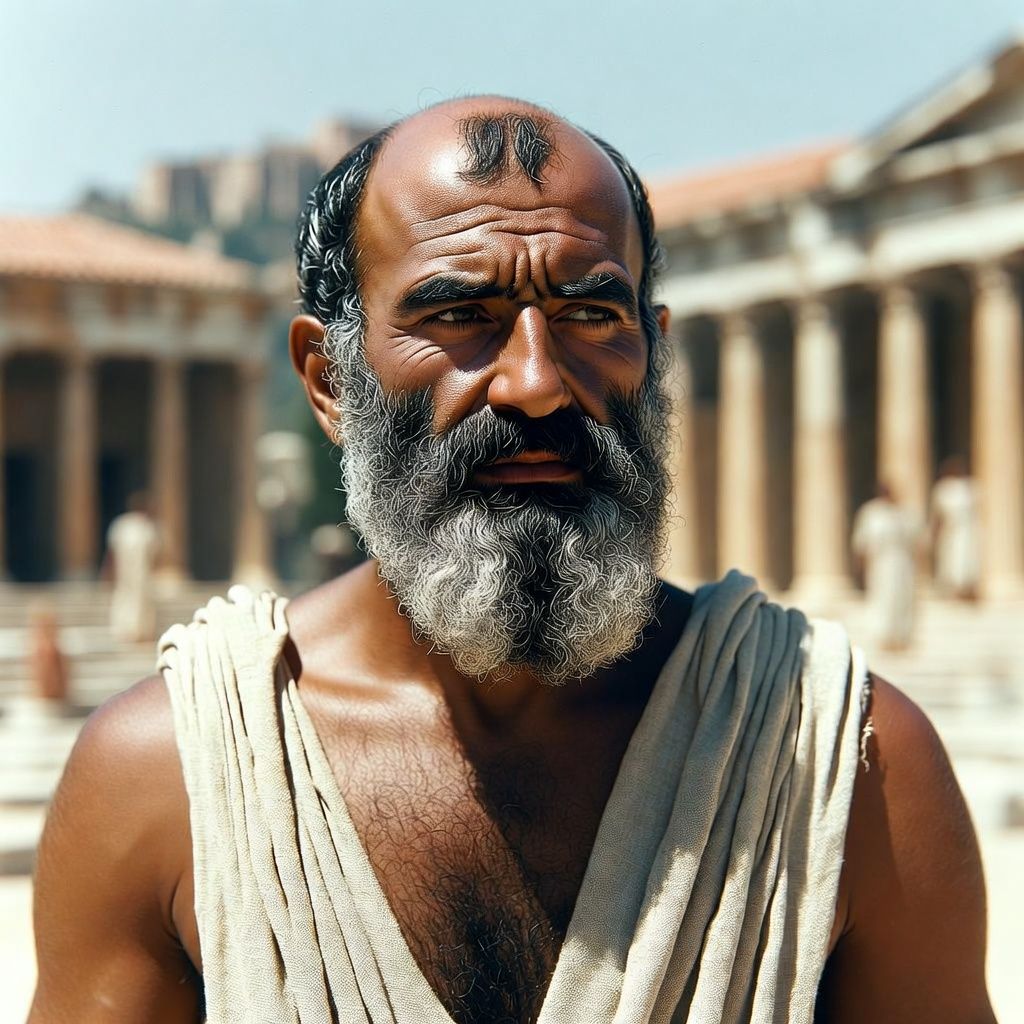
This saying is a later, aphoristic formulation of an idea associated with Socrates in Plato’s dialogues. In the aftermath of the Delphic oracle’s claim that no one was wiser than Socrates, he describes testing reputed experts—politicians, poets, and craftsmen—only to find that many claimed knowledge they could not justify. Socrates concludes that his “wisdom,” if any, lies in recognizing the limits of his understanding and refusing to pretend certainty where he lacks it. The thought became emblematic of the Socratic method: probing questions that expose unexamined assumptions and intellectual overconfidence.
Interpretation
The line does not celebrate ignorance as a virtue; it elevates intellectual humility as the starting point of genuine inquiry. “Knowing that you know nothing” names an awareness of one’s epistemic limits—an antidote to dogmatism and a precondition for learning. In Socratic practice, admitting uncertainty opens space for examination: definitions must be tested, reasons demanded, and contradictions faced. The “true wisdom” here is ethical as well as intellectual, because it resists the social temptation to posture as an authority. The maxim has endured as a concise statement of critical thinking and the examined life.
Variations
1) “I know that I know nothing.”
2) “All I know is that I know nothing.”
3) “The wisest man is he who knows that he knows nothing.”
Source
Plato, Apology, 21d–23b (Socrates’ account of the Delphic oracle and his conclusion that he is wiser only in not thinking he knows what he does not know).